
Table of Contents
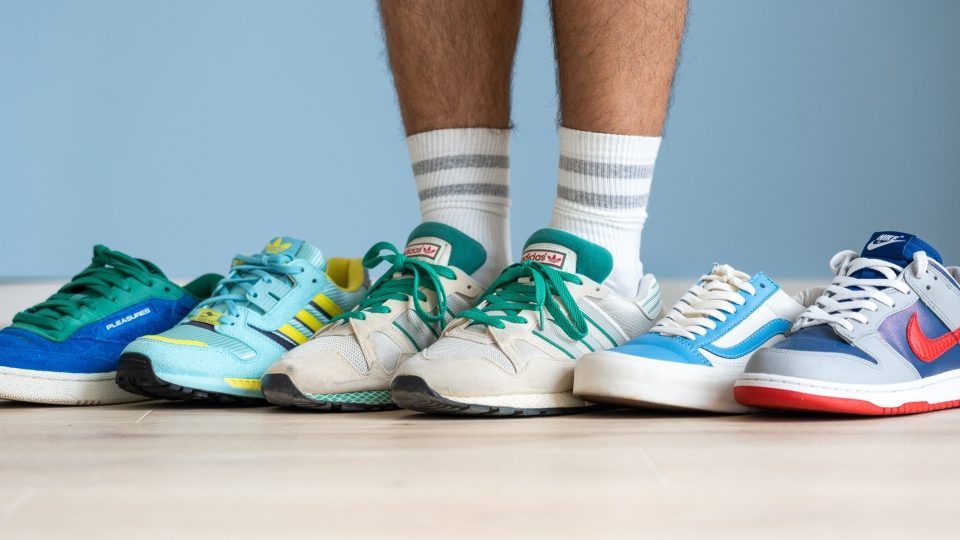
Are retro sneakers the same as vintage sneakers?
Actually no! Retro sneakers look old and keep getting new releases, year by year. Vintage sneakers are actually old, which is why, most of the time, we hear people say “this pair looks vintage”.
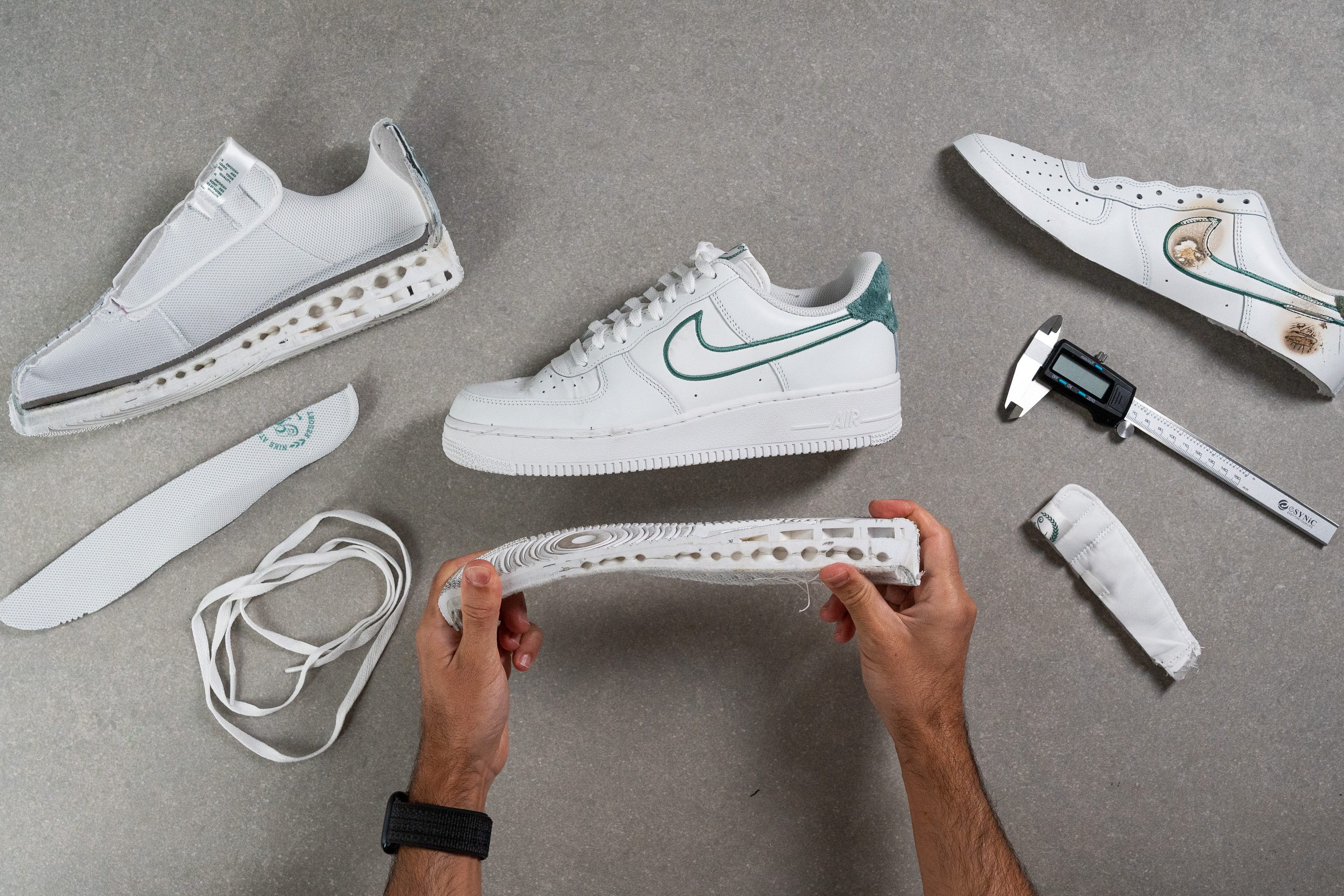
All things comfort: lab data for shock absorption and softness of retro sneakers
Retro sneakers can look good and can feel good. If they only look good, you may wear them for a very short time until they become too painful. If they feel good, you can wear them all day long and they can become your favorite daily beaters.
There are a few things that can explain comfort levels and we prioritize shock absorption. This feature tells us how protective the midsole is or how good it is at absorbing the impact forces. The better it is at that job, the less stress is sent to your legs. This is a must for long-term comfort.
On the other end of this spectrum, we’d have sneakers with very low shock absorption. They make your legs work significantly more, which results in premature fatigue and potentially pain.
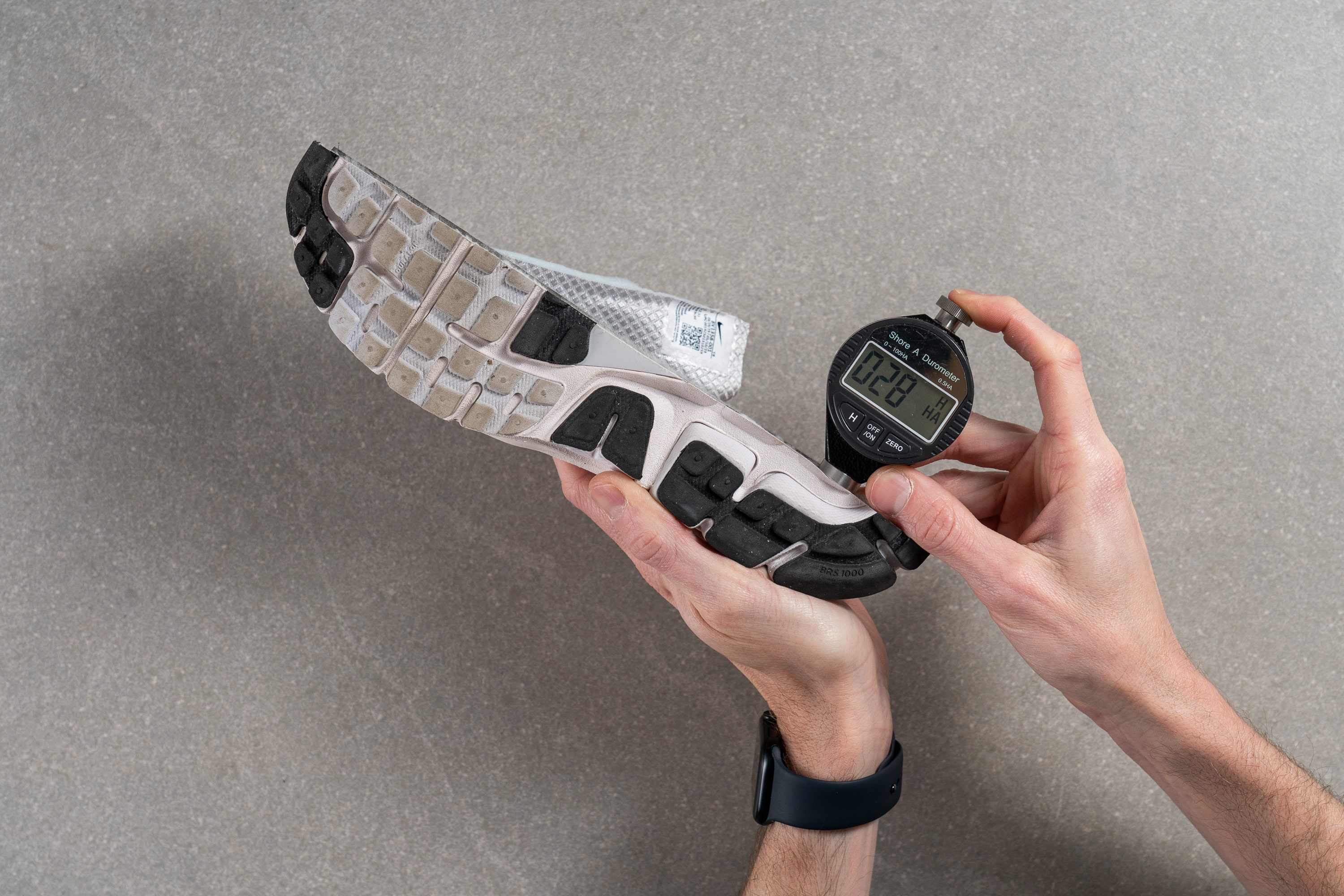
Then, we can discuss the softness. You may think it matters more and, while it does matter how the sneaker feels, softness on its own tells us nothing about long-term comfort, which is why we focus on shock absorption. We still measure it because one should know how the sneaker feels: plush, soft (they score <20 HA on this test), moderate (20-30 HA), or firm (they score higher than 30 HA on shore A durometer).
Sneakers that score higher than 105 SA on this test have high shock absorption. We don’t recommend those that score lower than 80 SA if you’re chasing comfort for long hours.
Perfect summer/winter retro pair
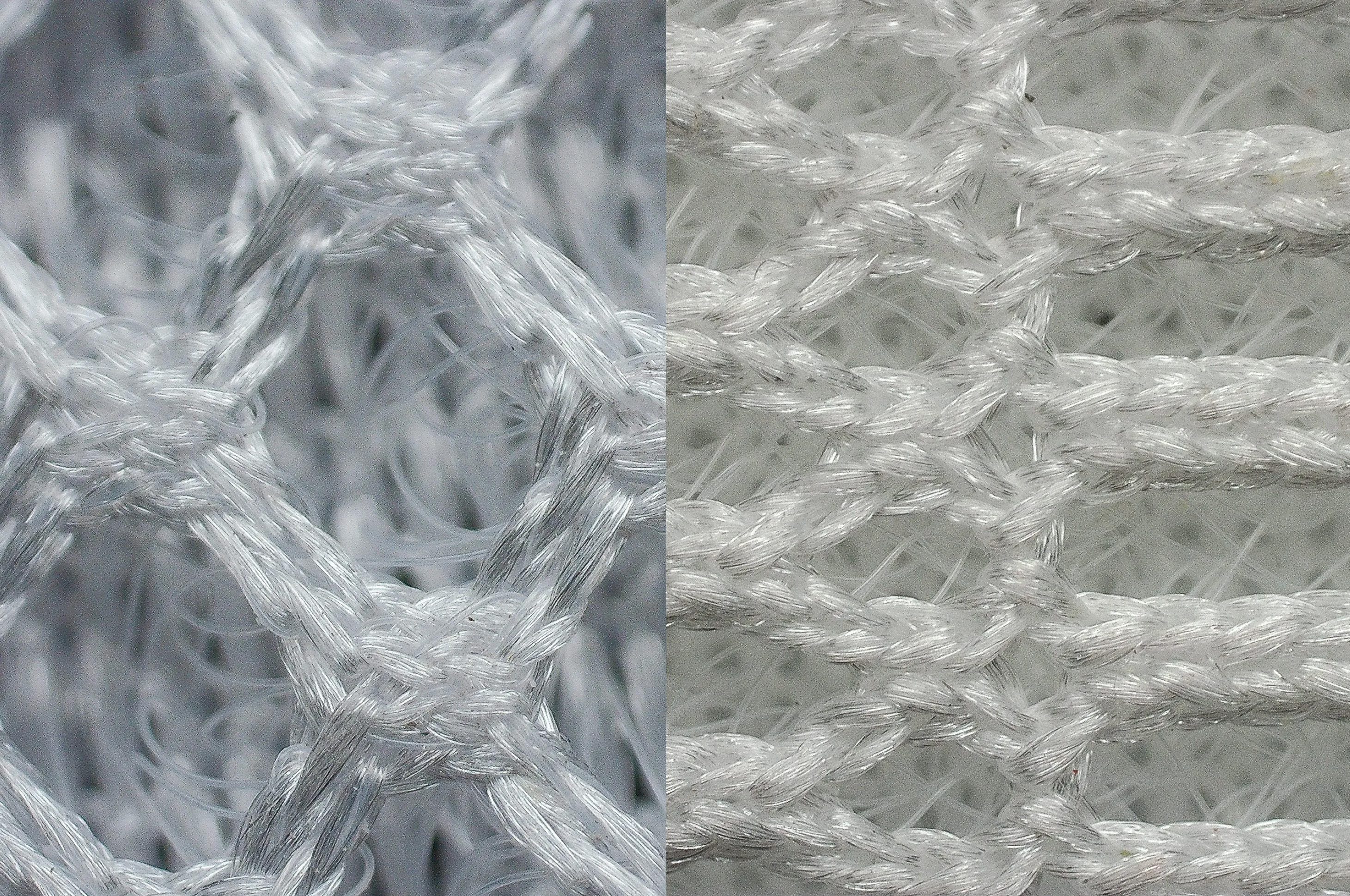
When it comes to breathability, we rely on our smoke test. We fill the toebox with smoke and watch where it comes out (if at all) and how fast. Based on this, we assign a 1-5 breathability rating to each retro sneaker.
Sneakers rated with 1/5 in breathability are the warmest ones, which makes them great for winter. 5/5 are the most breathable ones, so it’s a number to look for if you live in warm climates or have very sweaty feet.
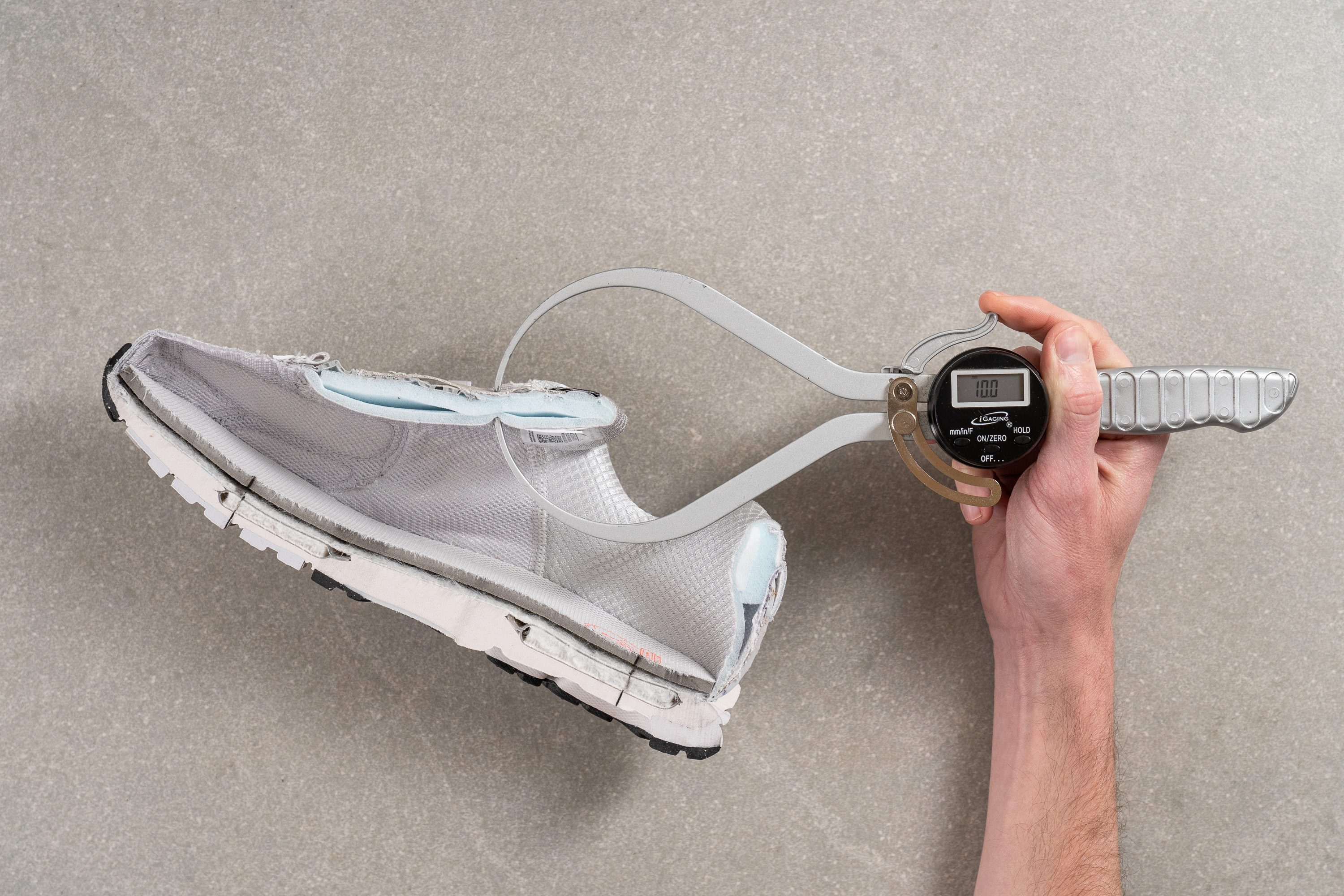
While we focus on the breathability of the toebox, you may also want to know how thick the tongue is for 2 reasons: you often get sweaty there, on the instep, or you want to avoid a lace bite (pain when tightening the laces over a very thin tongue that offers no protection).
Durability of retro sneakers
Looking at your daily beaters, which part of the sneaker gets destroyed first?
Is it the outsole because you are overpronating or supinating heavily?
Or the upper, it gets ruptured or your big toe pokes a hole?
Or the area behind your heel, which gets extra wear and tear when putting the sneaker on without a shoe horn?
Whatever you’re prioritizing, we got it covered in our lab test. Starting with the toebox.
The toebox in the video scored 2/5. We decide this based on how big and how deep the damage is. We then move to the heel padding area, also using the Dremel.
This heel padding scored 5/5. It’s a 1-5 scale, where 5/5 is saved for the most durable ones (smallest damage, barely visible).
And then we use a Dremel to test the outsole durability. Here, no assessments are needed.
We use a tire tread gauge to measure the depth of the dent; the deeper the dent, the less durable the outsole!
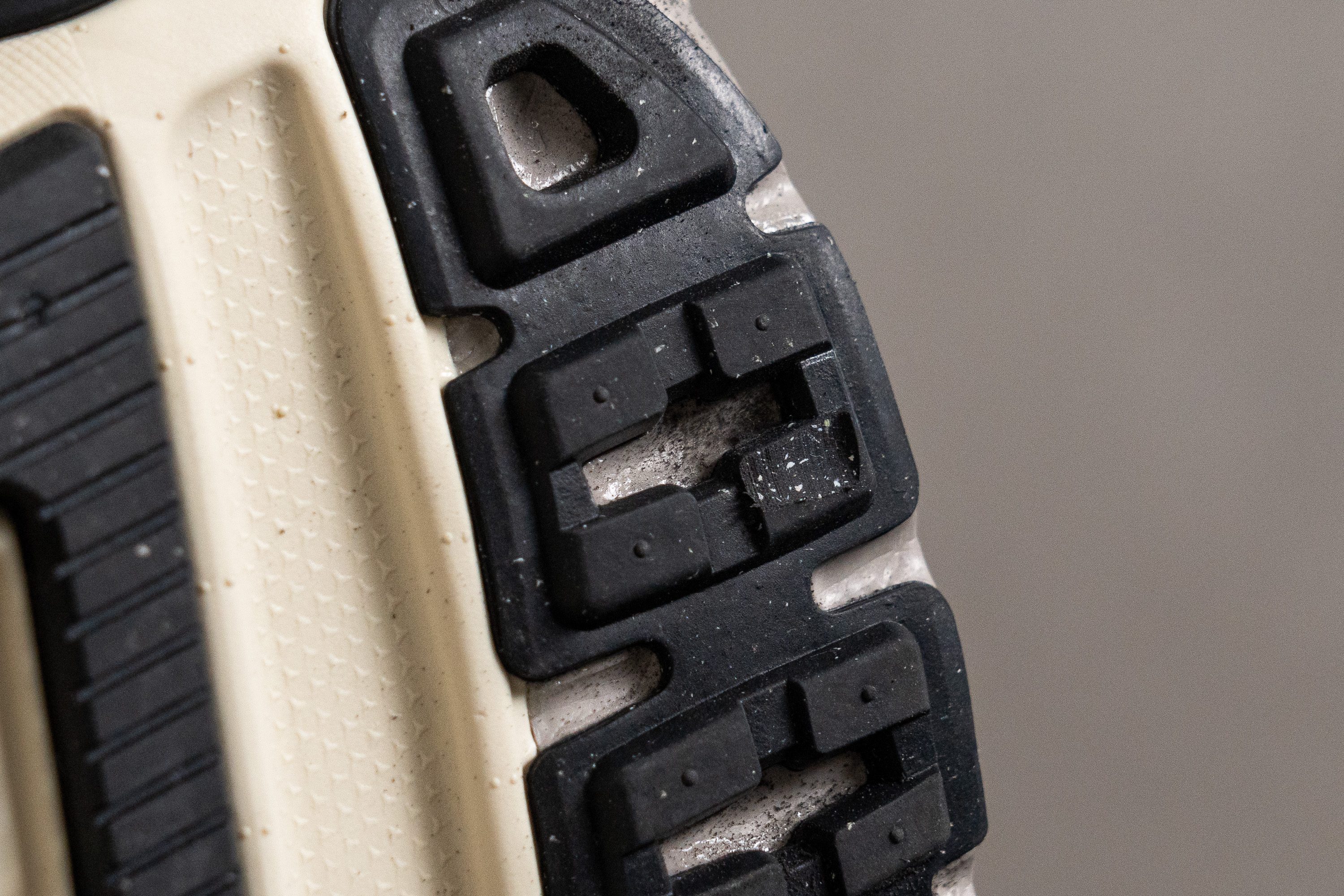
If you want a more durable toebox or heel padding, look for higher numbers in our test results. For a more durable outsole, look for lower numbers (shallower dent/smaller damage).
Torching the sneakers to find out whether the leather/suede is real
If the sneaker is durable, maybe you don’t need to know whether the leather or suede is real. Or, maybe you do need to know it? Noone appreciates being scammed or overpaying for a product. And, we all know that high-quality leather is always more expensive.
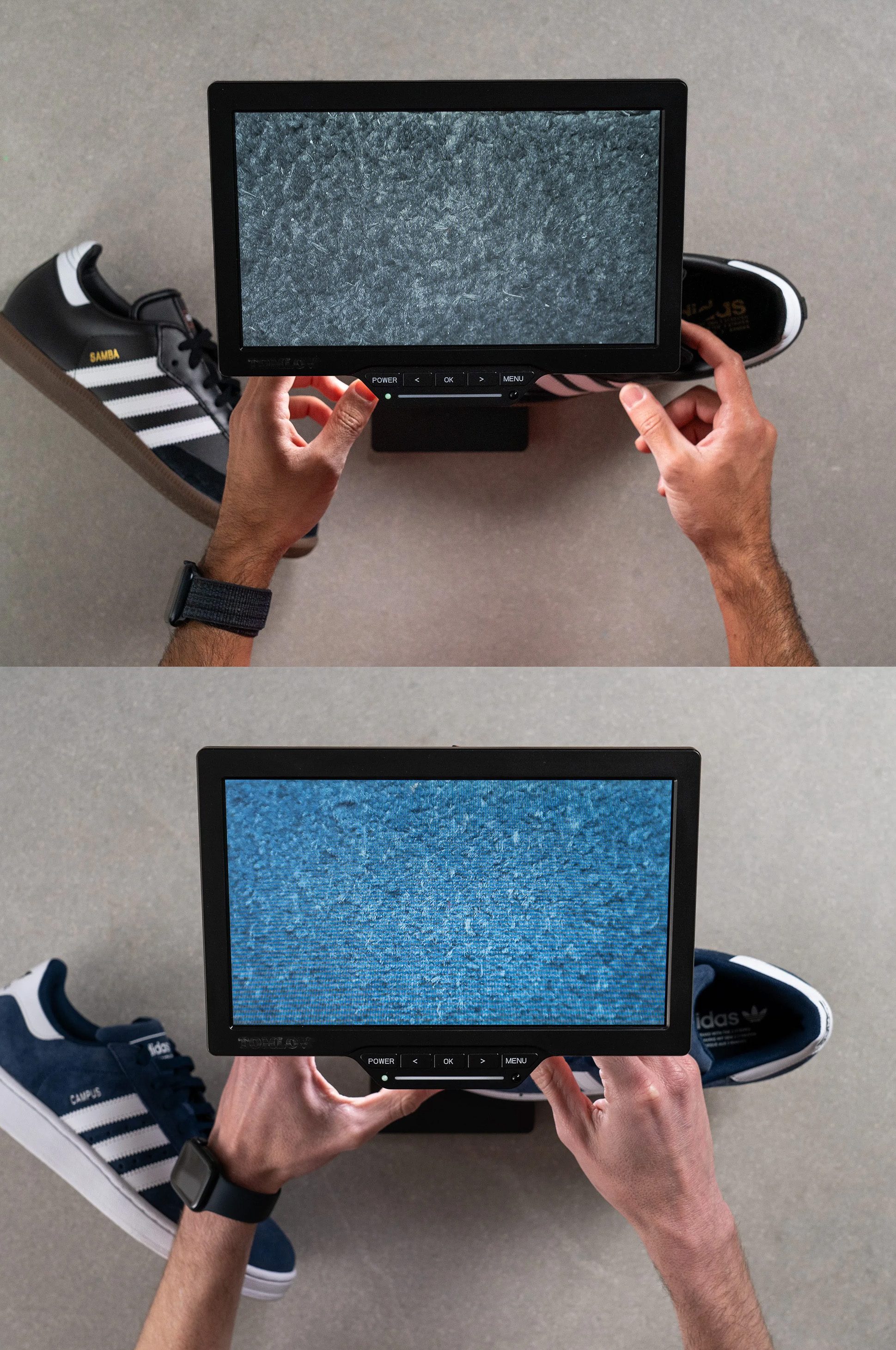
In order to answer this question, we use a torch on different sneaker upper areas. If the material abruptly bursts into flames and becomes gluey and sticky, we know the material is fake.
When it smells like burnt hair and is dry and we can scratch it, we know that the leather/suede is real.
Toebox width and height in retro sneakers
A narrow toebox or a very low one can certainly ruin the experience to the point of not wearing the sneakers at all. In order to prevent such a bad experience of having a misfitting toebox, we measure its width and height.
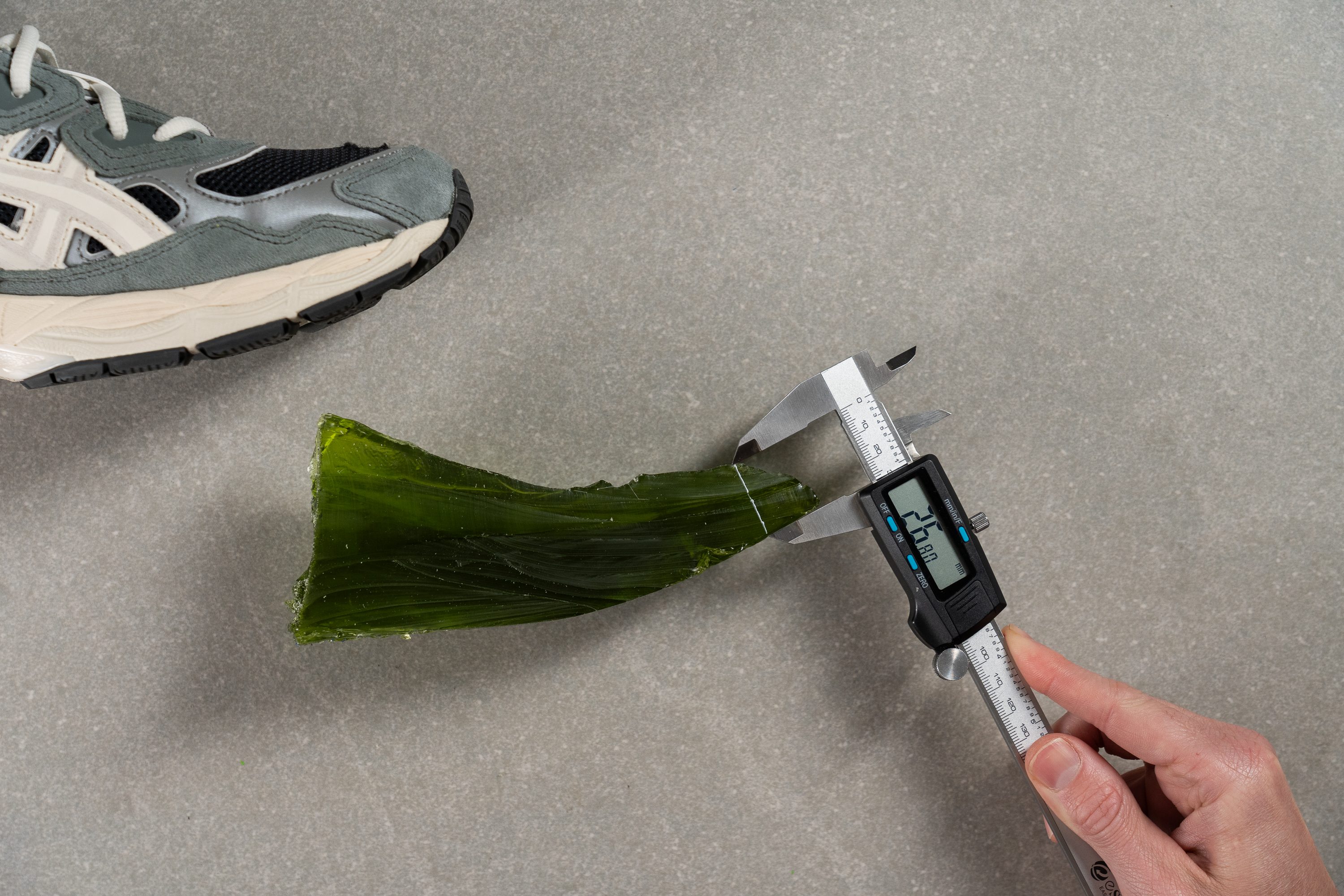
We’ve developed a special gel formula that allows us to pour the liquid into the sneaker, freeze it, and end up with a perfect gel mold of the sneaker’s interior.
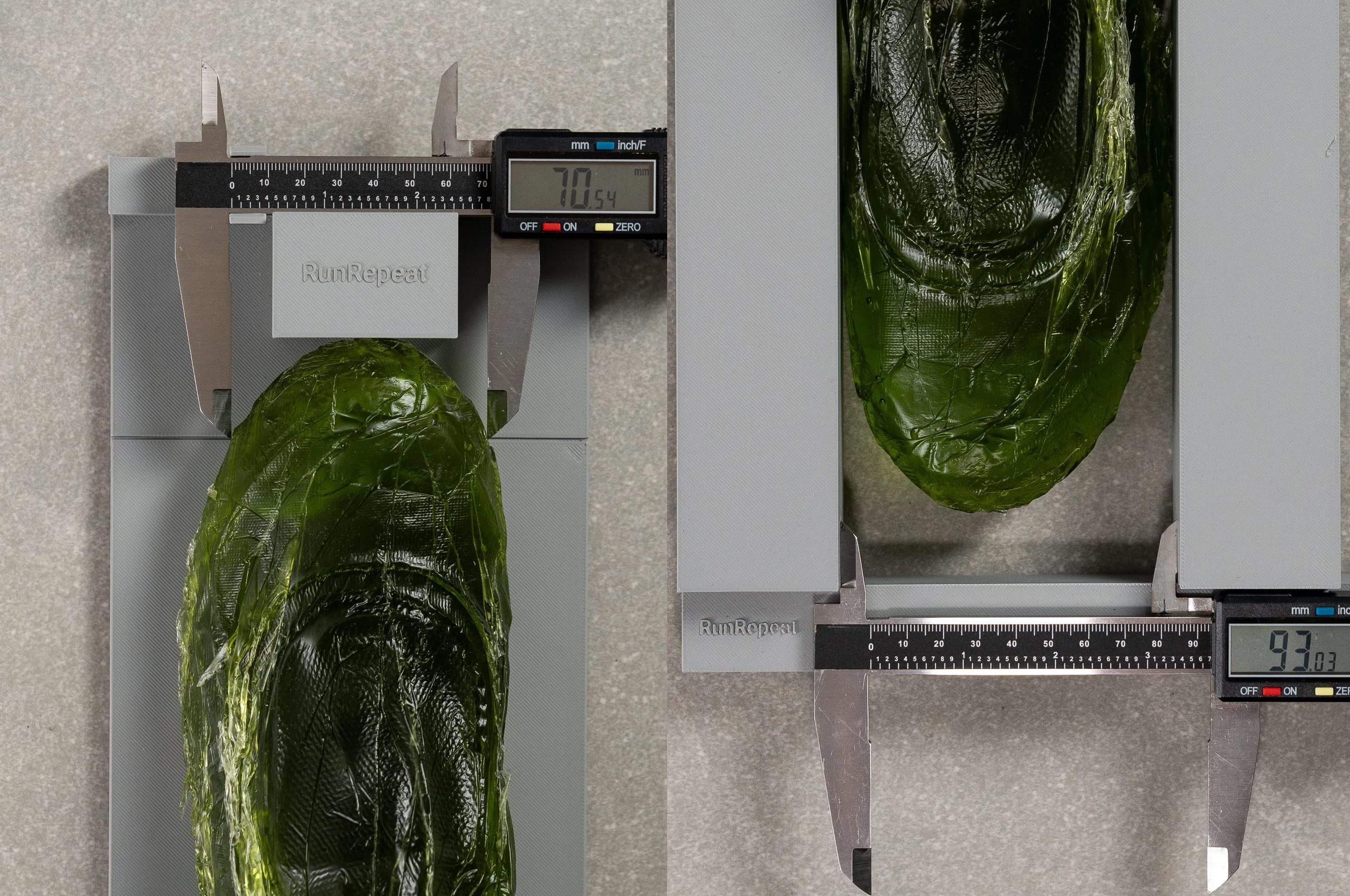
Then, we measure the height of the toebox (vertical clearance).
Best traction in retro sneakers
Getting a sneaker without checking its traction is a bit of a slippery slope (pun intended). Most of the sneakers perform well in dry weather but if you plan to use the sneakers while it’s raining or over wet, slick surfaces, like tiles or cobblestone, you’d better be prepared.
We test traction by pressing the sneaker against the wet concrete. We do so at a 7-degree angle while using a 500N force to replicate real-world conditions. We also test on wet surfaces because those are so-called critical conditions.
The result of this test is a dynamic coefficient of traction, CoF. The higher it is, the better! Overall, anything 0.45 is considered safe for dry and wet surfaces. A CoF between 0.25 and 0.45 is good for dry surfaces but may slip on wet surfaces. Anything below 0.25 is not considered safe/grippy.
Flashy attention grabbers
One may think that retro sneakers don’t go well with flashy details. Fortunately, there are some models that keep proving those people wrong!
If you want to be more noticeable at night, certainly look for reflective details!
View original article here.