
Table of Contents
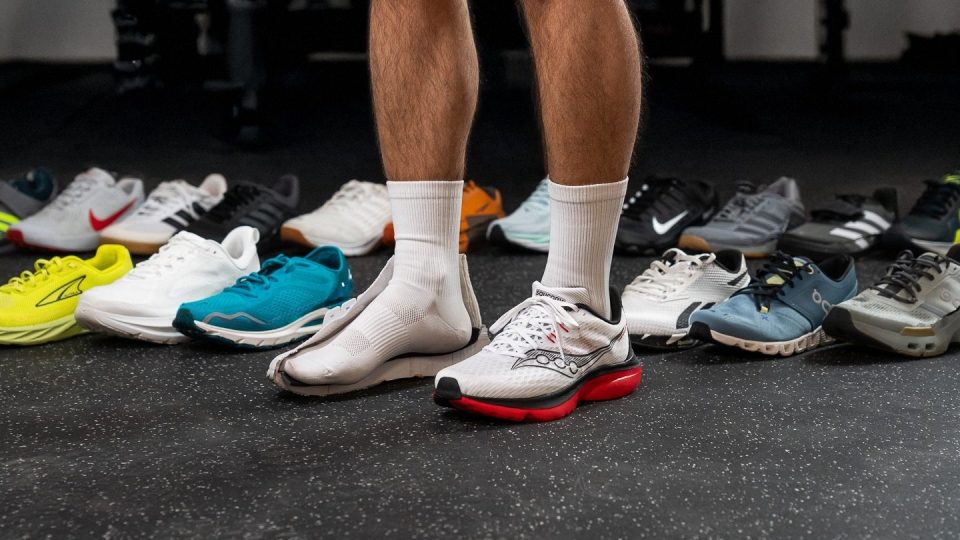
Can you use running shoes for gym training?
The answer depends on the type of exercise you do at the gym.
It is a YES, if your training program includes the following:
- warm-up runs, running intervals
- treadmill running and walking, stair climber
- bodyweight cardio workouts
- upper body workouts with dumbbells, cable and ab machines
- HYROX competitions
It is a NO, if you focus on:
-
strength training with heavy weights (barbells/dumbells/kettlebells), especially squats, deadlifts, and overhead presses
Why running shoes aren’t ideal for gym use
There are a few solid reasons why running shoes don’t make the best choice for gym workouts in general and strength training in particular:
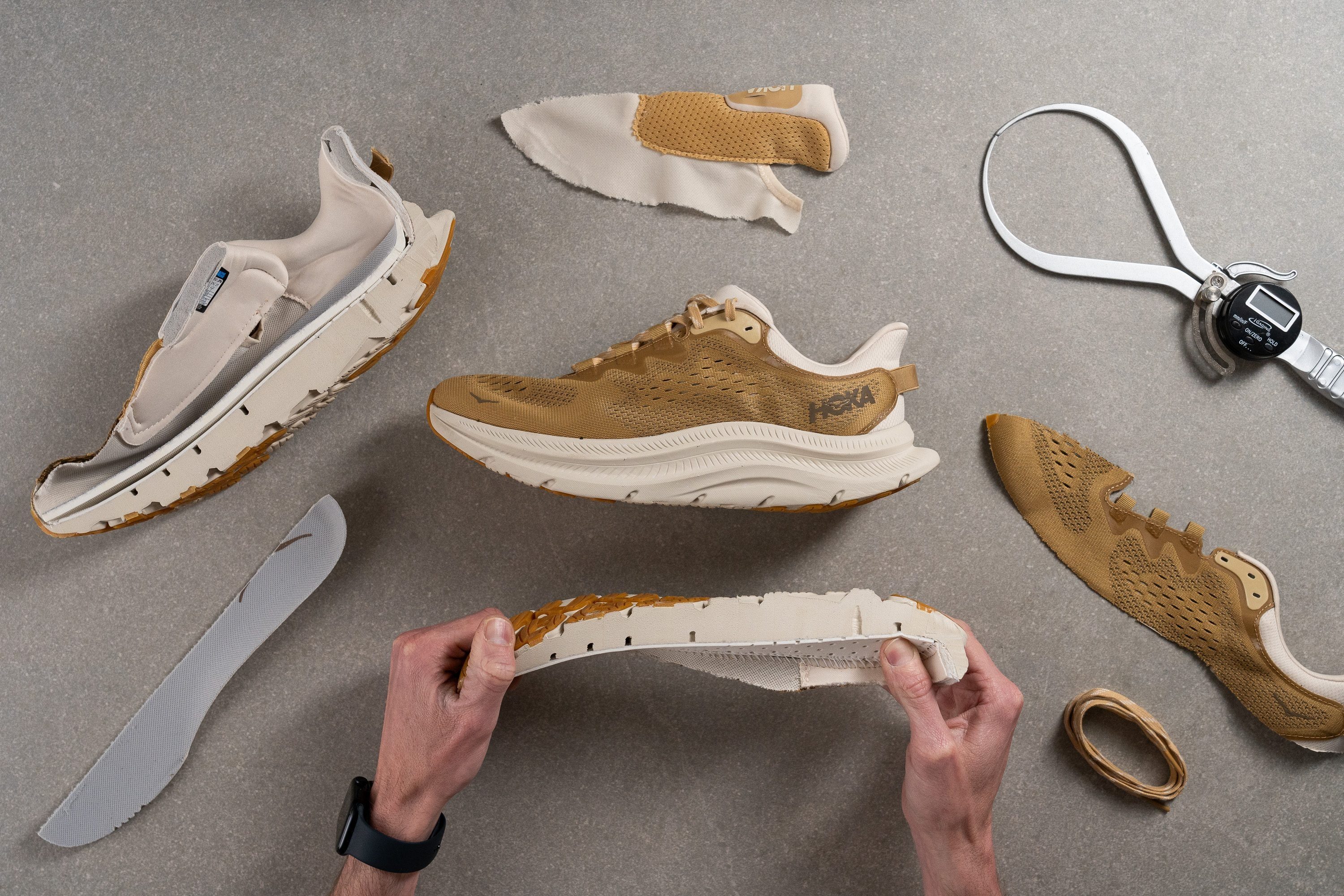
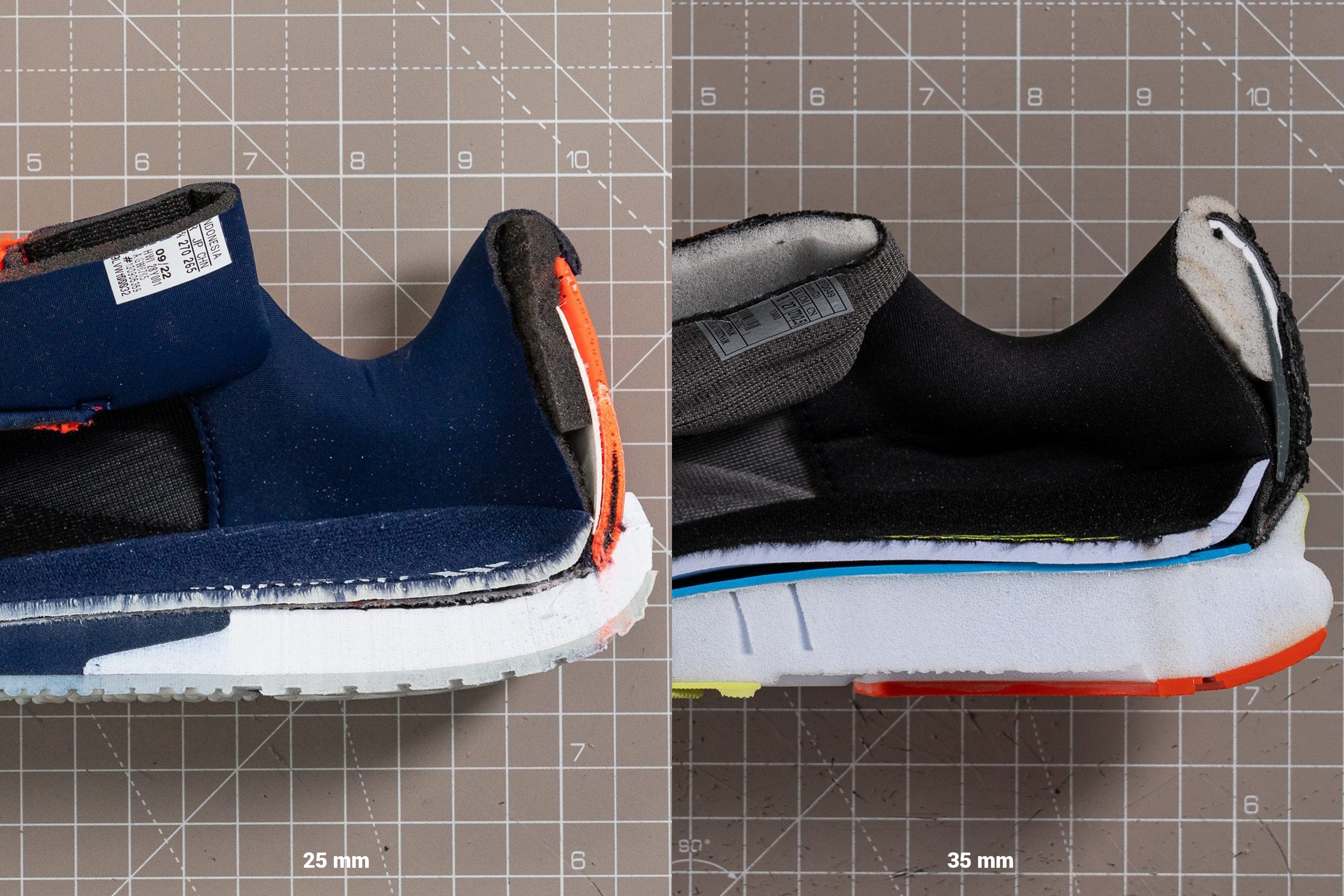
1. High stack: Having cut hundreds of athletic shoes in half, we have enough data to confirm that the average stack height of running shoes hovers around 35 mm in the heel. Training shoes, on the other hand, tend to be much more grounded with an average heel stack of 25 mm.
Whether it’s stationary weightlifting, unilateral exercises like Bulgarian squats, or dynamic movements like skater jumps, you want a more grounded underfoot platform to feel stable and surefooted. The lower stack also contributes to a more effective power transfer as your energy doesn’t get muffled by a huge chunk of foam!
2. Plush cushioning: Would you dare lift a heavy load while standing on a piece of marshmallow? Of course not! Then you wouldn’t want to do any serious weightlifting in a soft running shoe either.
In addition to making you feel wobbly and inefficient with your lifting, a soft base also puts you at a greater risk of injury! Not to mention that your running shoes wear out faster under all that extra compression.
With an extensive database of durometer measurements, we found that the average midsole softness of a running shoe comes in at 21 HA. It sits on the verge of plush and balanced in our categorization:
- plush: 20 HA or less
- balanced: 20-30 HA
- firm: 30 HA or more
Meanwhile, the average midsole softness of a training shoe is notably firmer at 28 HA. This is at the threshold of firm foams. In fact, many trainers add even firmer foams to the heel area in order to make it even denser and steadier.
3. Rockered sole: Nearly all running shoes today are made with pronounced curves in the form of toe rockers and heel bevels. These curvatures help the foot roll faster and smoother during the running gait cycle.
On the contrary, training shoes have very flat soles to provide a highly planted stance on the floor. You don’t want a shoe to suddenly pitch you back or forward when grabbing some weight.
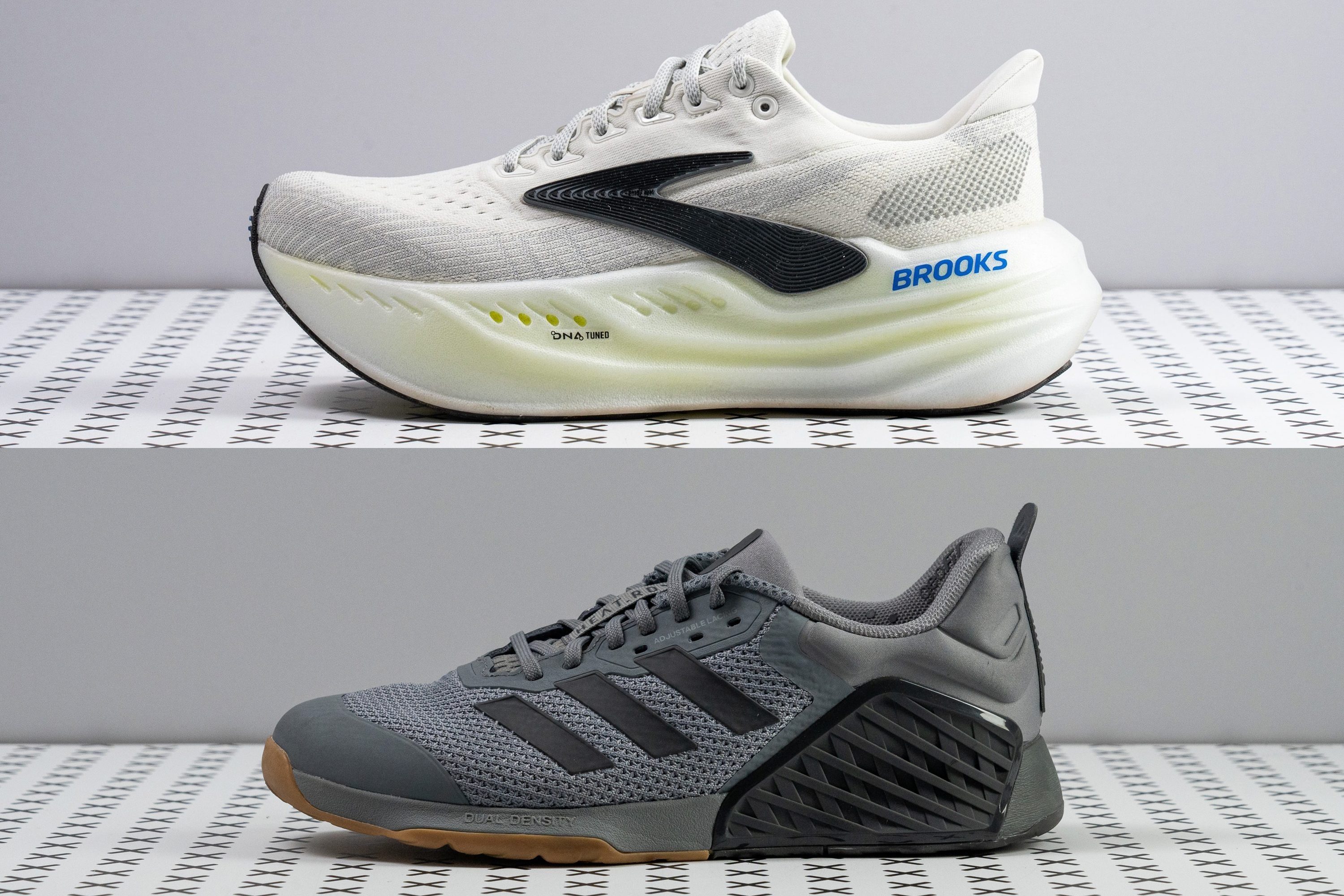
4. Less lateral stability: Running shoes are designed with a forward motion in mind and don’t accommodate forceful side-to-side movements very well.
Exercises like side lunges, lateral bounds, skater hops, and similar call for a tom of lateral reinforcement to prevent your foot from spilling or even rolling over the edge of the shoe.
For more science-backed evidence on why running shoes aren’t your best bet for lifting, see our comprehensive research on lifting shoes.
What running shoes are OK for the gym
In the section above, we talk about general features of running shoes but, as always, there is some variation inside the category. That makes certain models more agreeable for gym use, especially if you primarily focus on cardio, bodyweight training, or treadmill runs.
Here are the features you want to look for in a running shoe that can double for moderate gym use:
- Lower stack: aim for shoes with a heel stack of 35 mm or less; you might as well go with minimalist and barefoot-like shoes if you have experience with these.
- Firmer cushioning: avoid shoes that are softer than 20 HA.
- Flatter sole: stay away from pronounced rockers and heel bevels.
- Wider sole: at least 85 mm in the heel is preferable (unless it’s a minimalist shoe).
NO race shoes with carbon plates please!
What gym shoes are OK for running
Here is a different scenario: you need a stable trainer for lifting and strength building but you also want to be able to run 1-2 miles in that same shoe. Is that possible? Yes!
That’s where cross-training shoes take the stage. These guys are versatile enough to handle a little bit of everything at the gym and even some running. However, not all cross-trainers are equally comfortable for the latter.
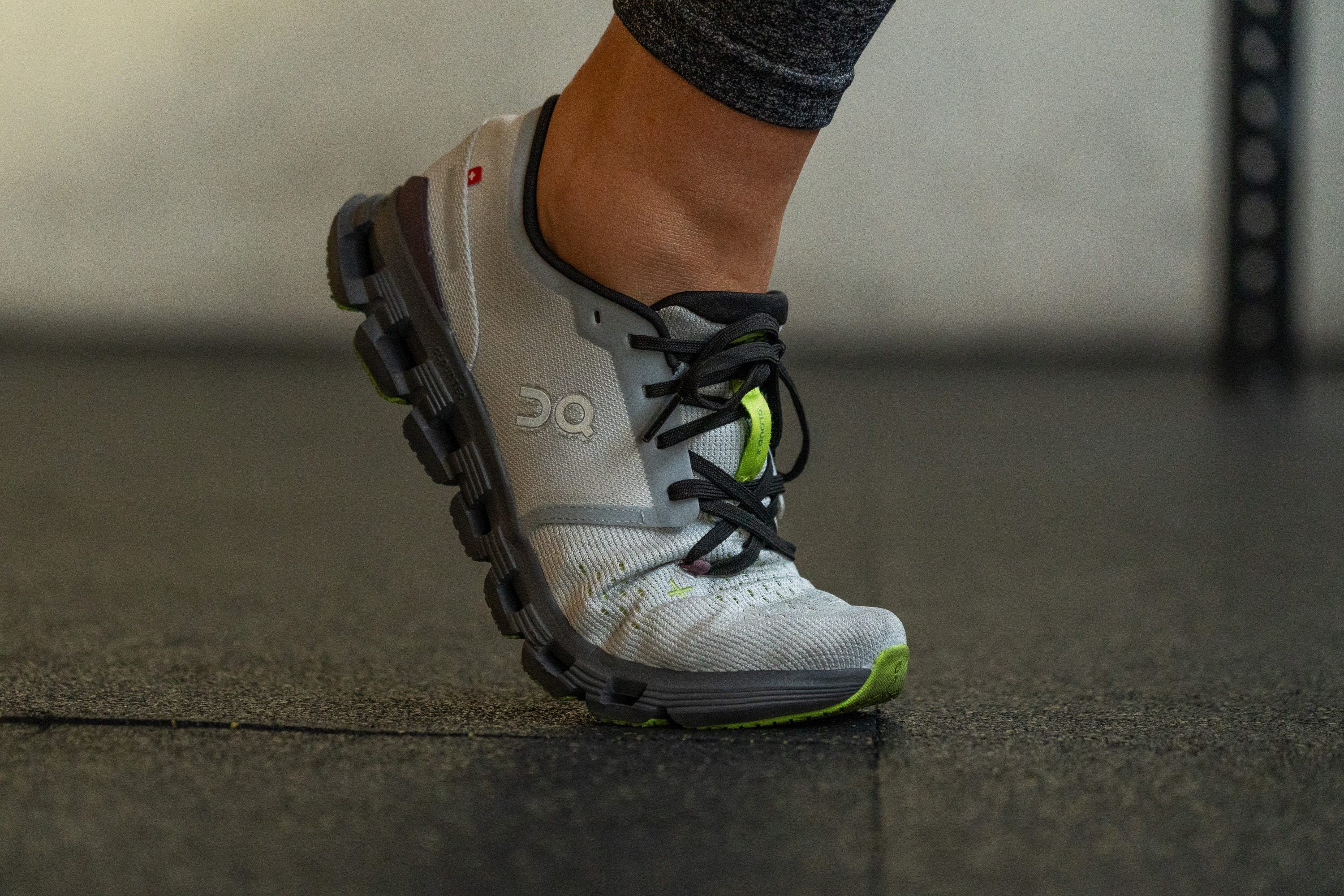
We recommend choosing lighter shoes (11.5 oz/325g or less) if you include a lot of short runs into your workout routines. These trainers aren’t overly clunky or built-up, have better forefoot flexibility, and a bit more forgiving midsoles to provide impact protection.
Cheap shoes for gym and running
If you are an entry-level gym goer, you probably don’t want to invest in two different pairs of athletic shoes for different activities from the start, right?
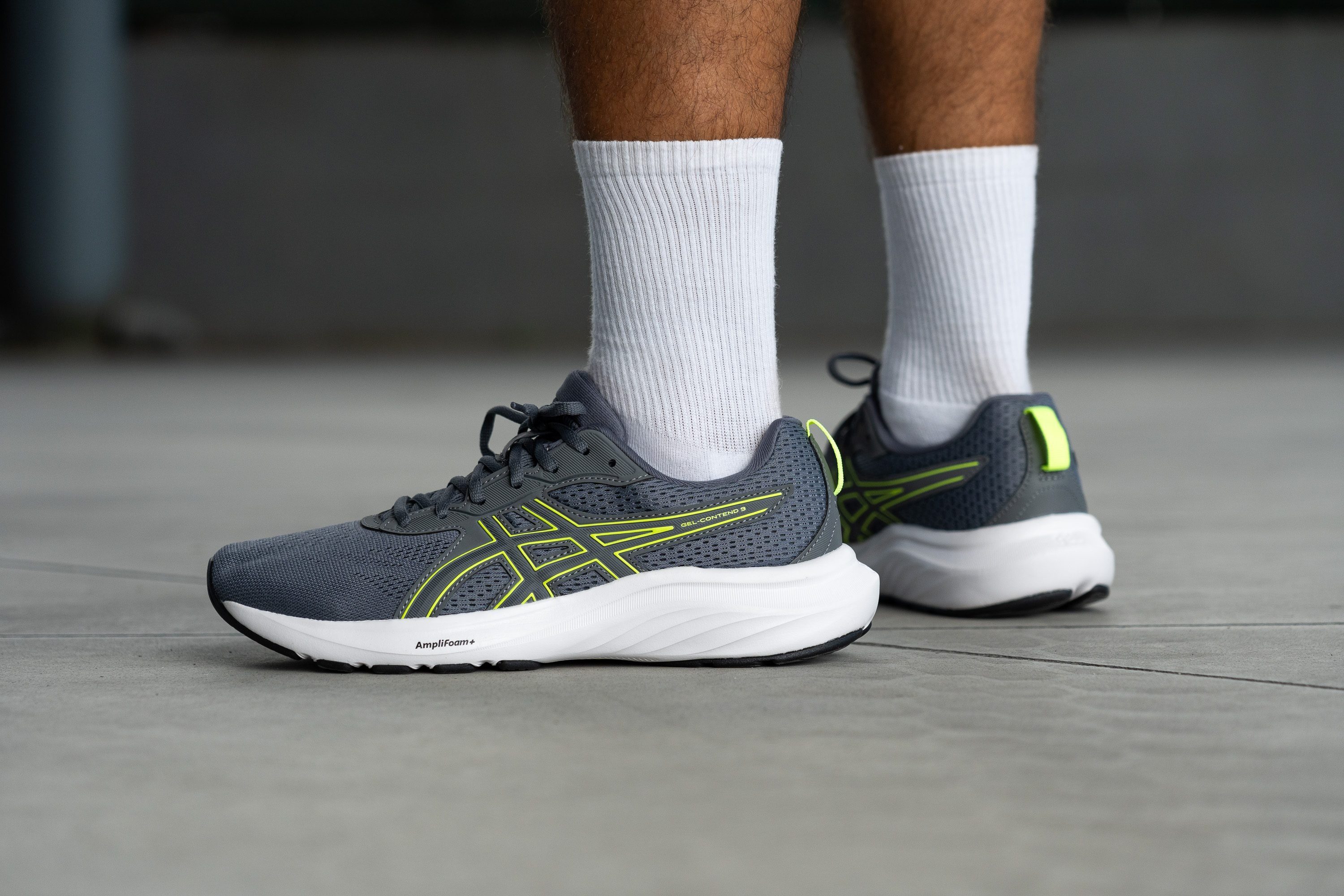
Luckily for you, more affordable running shoes tend to have lower stack heights and firmer midsoles which makes them perfectly suitable for moderate gym workouts! What’s more, these shoes are also versatile enough to be worn casually. Excellent value for money!
The table below offers an overview of budget-friendly running shoes ($100 or less) that you can confidently grab for a gym workout:
You might as well take a look these inexpensive cross-trainers that are comfortable enough for short treadmill runs.
View original article here.