
That Fit Friend is supported by its readers. I [Jake] run this site myself and buy the gear reviewed. If you purchase through my site, I may earn commissions on sales. Read more here!
So you’re on the market for gym shoes and you’re feeling overwhelmed. Hey, I get it — I’ve literally made a living off of reviewing gym shoes, and sometimes I even feel like my head spins with the countless options out there.
We have gym shoes that are hyper-specific to CrossFit, models built a little more well-rounded for cross-training, and don’t get me started down the rabbit hole of different shoes working for certain types of feet, like wide-feet-friendly training shoes.
If you’re new here, welcome. My name’s Jake. Gym shoes are my life and have been for close to a decade. I made this list to be all-encompassing for my generalist friends on the market for new workout shoes.
I run this site independently, have a brick & mortar for fitness shoes, am building my OWN training shoe, and have been a personal trainer for 12 years with an M.S. in Sports Science.
That Fit Friend is an independent resource for athletes and lifters looking for unbiased shoe reviews. I (Jake) buy the shoes I review. No retailers or companies have influenced my picks in this list.
Table of Contents
Quick Sizing Tip
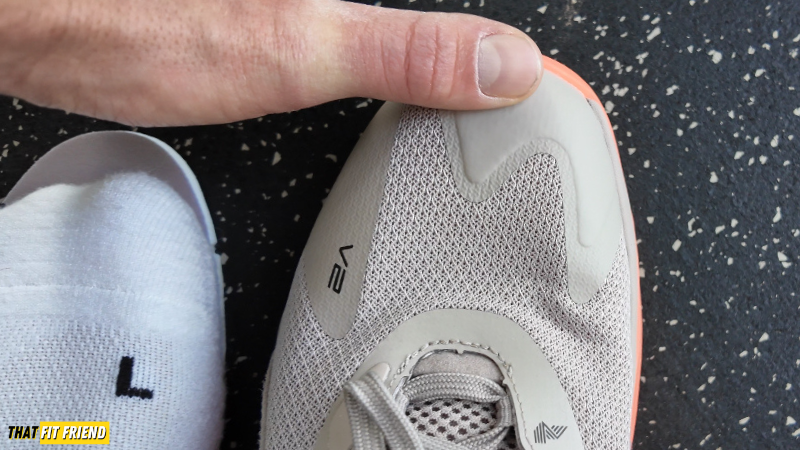
None of the picks below matter if you don’t get your sizing right. Generally speaking, for gym shoes, you’ll want about a thumb’s width of space at the end of your toe box.
- Now, this can vary a little from lifter to lifter, but if you start with this rule of thumb (hehe…), then you’ll be well on your way. Don’t be shocked if it takes a few shoes to find something that fits. It’s all part of the process of learning your foot/preferences.
- When in doubt, go to a shoe store and use either their footwear scanner (I have one in my store; generally, specialty shoe stores have them) or Brannock device. This will give you your length and width, which makes it much easier to cross-reference your foot’s size and sizing charts.
- You can also trace your foot on a piece of paper and measure its length (use the longest dimensions) and its width (use the widest part of your forefoot). Pro-tip: Make sure you put weight on it to get a true read on your foot’s size when pressure causes it to splay and spread.
What I Wear When I’m Lifting Heavy | Adidas Dropset 4
Author’s Note: This is a model that was changed and updated in the January update. I swapped out the Dropset 3 for the 4. The 4 is just as good for lifting AND has better versatility than the 3.
- Price: $145
- Heel-to-Toe Drop: 6mm
- Weight: 10.9 oz (for my size 10 model)
- Removable Insole: Yes
- Sizing: True to Size. 2-3E+ foot widths, size up a half-size or potentially skip on these.
- For More Depth: Read My Review
Why They Work Well for Lifting
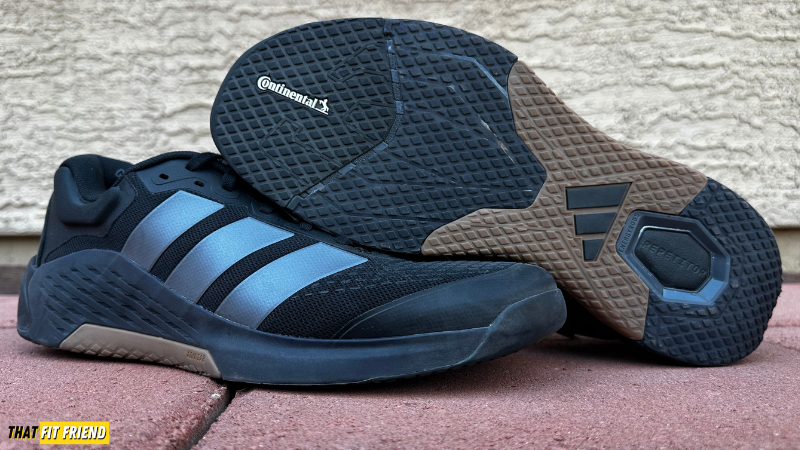
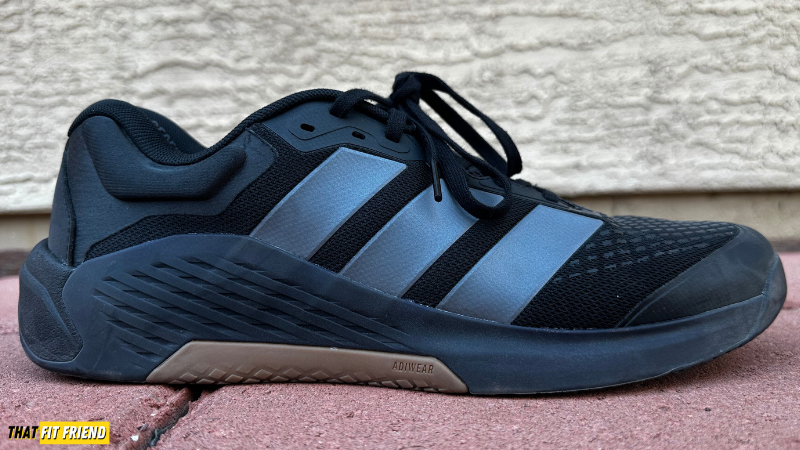
The Adidas Dropset Trainer 4 is a strong reworked continuation of the popular Dropset 3. Compared to the Dropset 2 and 3, which shadowed each other in many ways, the DS 4 has seen an overhaul with all of its construction features.
As opposed to featuring a dual-density midsole like the DS 3, the Dropset 4 utilizes a Repetitor foam with Energy Rods under the forefoot. The blend of these two materials gives this model more versatility and responsiveness, especially in the forefoot when doing things like jump rope and box jumps.
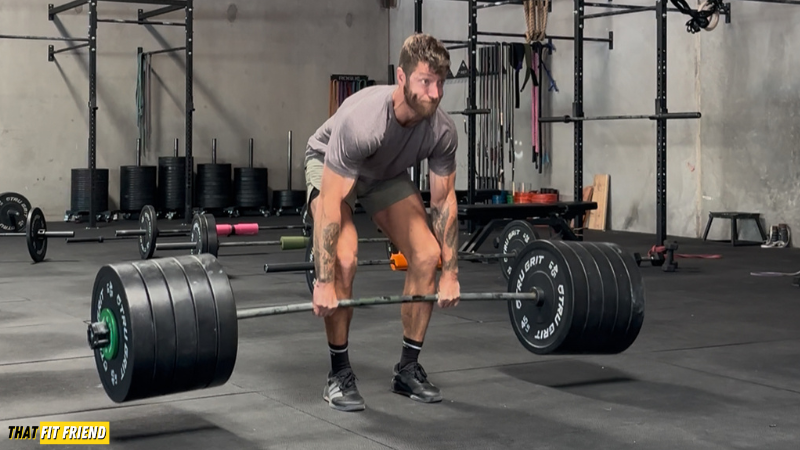
The lateral and medial outsole wraps, in combination with the Geofit boot, give the ankle a “locked in” feeling when lifting. If you prefer a shoe with a little more ankle and boot support, then you’ll appreciate this for your squats, deadlifts, and heavy leg days. I’ve lifted 500 lbs in this shoe with no stability issues, for example.
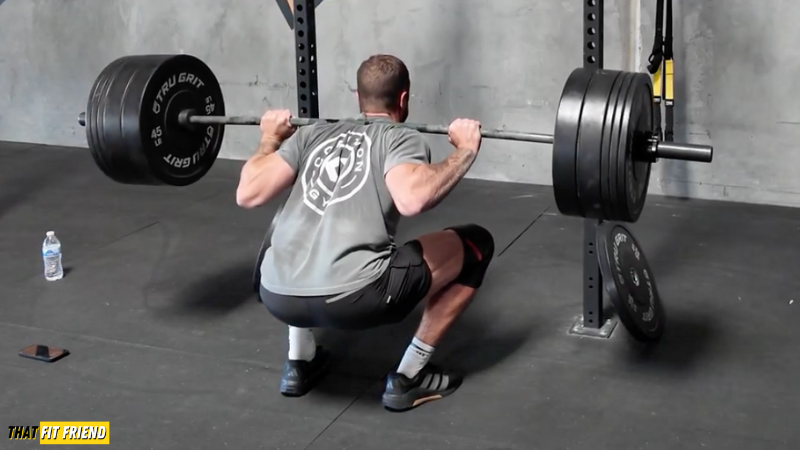
The outsole construction is another lifting-focused perk with this shoe. The Continental rubber on the forefoot and heel gives this model a grippy and durable feel, while the Adiwear rubber on the midfoot provides additional durability and stability. All in all, despite the versatility buff, the Dropset 4 maintains its edge for strength workouts.
The Verdict: The Dropset 4 is solid across the board. They’re no longer a training shoe that’s isolated to “only” being super great at lifting, and can now offer you more for cross-training, CrossFit, and athletic-style workouts (if your anatomy works with them!).
My Community’s Pick for Women | Nike Metcon 10
Author’s Note: The Metcon 10 has replaced the Metcon 9 in this list. It’s a superior shoe and I’ve had a ton of women in my community respond to liking the 10 more than the 9 due to its increased versatility.
- Price: $150
- Heel-to-Toe Drop: 4mm
- Weight: 11.8 oz (for my size 10 model)
- Removable Insole: Yes
- Sizing: True to Size
- For More Info Read My Review
Why the Community Likes Them
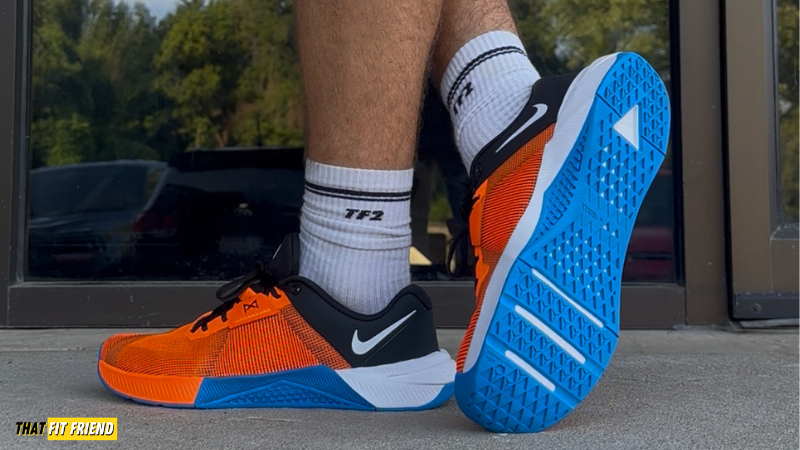
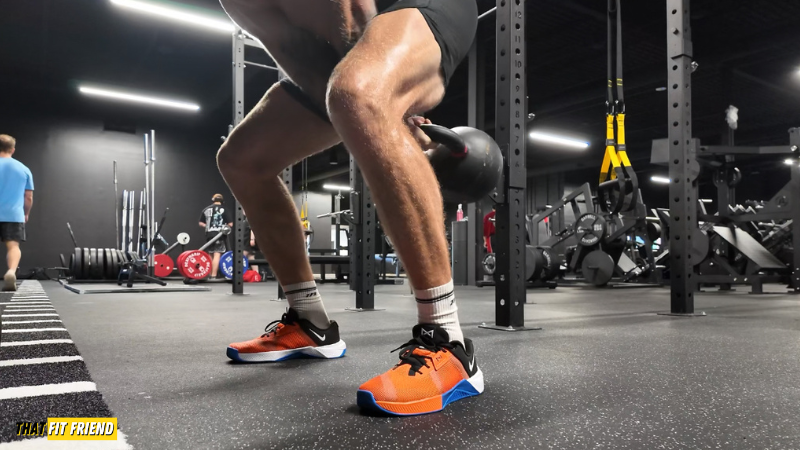
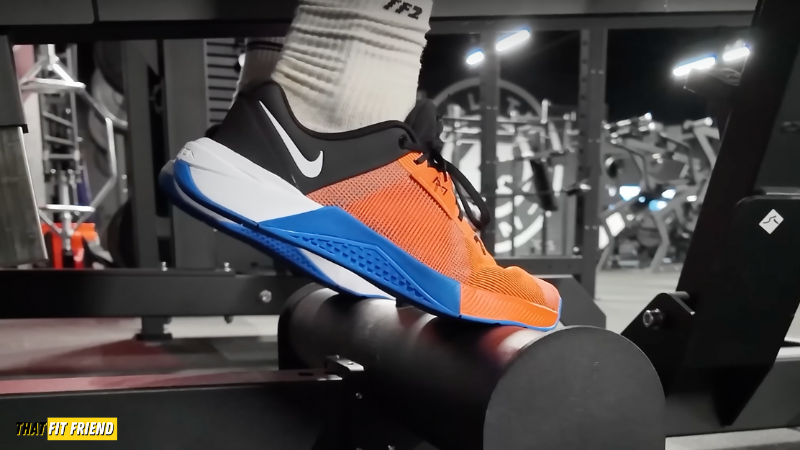
The Nike Metcon 10 is an awesome option for anyone wanting a shoe for lifting, CrossFit, and some cross-training. This shoe features Nike React foam midsole, which is a medium-density foam designed to provide you with stability and some responsiveness.
The overall feel of this shoe will be a little denser, so keep in mind that it will be a shoe better suited for strength work and heavier sessions. For context and if you’ve worn prior Metcons, compared to the Metcon 7, 8, and 9, the 10 feels a lot more versatile on the foot for dynamic sessions.
Outside of its stability, the positive feedback for the Metcon 10 tends to revolve around its outsole and upper security. The full rubber outsole with its triangular tread provides adequate traction on different surfaces, so if you like to vary your training on rubber gym floors, wooden platforms, and turf, then you’ll be solid in these.
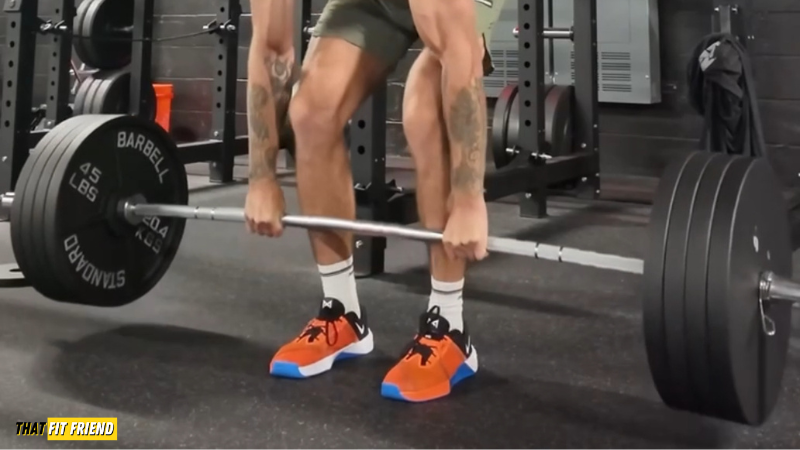
The reworked upper with reinforced mesh feels more low-profile and “athletic”, which is great for anyone who likes to jump, do things like kettlebell flows, and power exercises. If you love that classic cleat-like feel like your trainers that Nike has become known for, then these will be solid for you.
The Verdict: For lifting and CrossFit, it’s tough to fault the Metcon 10’s performance. They also tend to work great for women’s foot anatomy. Other great options include the Reebok Nano X5, RAD ONE V2, and On CloudPulse.
Great Pick for Guys | UA TriBase Reign 6
- Price: $130
- Heel-to-Toe Drop: 2mm
- Weight: 14.25 oz (for my size 10 model)
- Removable Insole: Yes
- Sizing: True to Size
- For More Info: Read My Review


Why They Work for Men
The Under Armour TriBase Reign 6 is an awesome option for guys. In my opinion, this shoe is a stellar upgrade from the UA TriBase Reign 5. This shoe has a super unique fit and feel to it which has created quite a following around it.
I’m taking the UA TriBase Reign 6 as my top pick for men for three key reasons. First, they’re a really good well-rounded gym shoe for lifting, CrossFit, athletic-style training, HIIT workouts, and even sprints or short tempo runs (100-400-meter bouts).
Second, I like the overall width of this shoe. This model fits my E-width feet well and if you have medium to slightly wider feet you’ll enjoy this shoe’s fit. The width increase in this model I think does a better job of feeding into the anatomical needs of men’s feet.

Third and lastly, I like the TriBase tech in this shoe’s outsole, drop-in midsole, and 2mm heel-to-toe drop. The blend of the midsole and outsole give this shoe a nice stable, yet versatile feeling and this can be a good model for gym-goers who like lower heel-to-toe drops.
The Verdict: When the Reign 6 hits, it hits. This shoe can be fantastic for the guy who wants a well-rounded option in the gym. Other great options include the STRIKE MVMNT Haze Trainer, Nike Metcon 10, and Born Primitive Savage 1.
Good Option for Flat Feet | Born Primitive Savage 1
- Price: $130
- Heel-to-Toe Drop: 4mm
- Weight: 12.7 oz (for my size 10 model)
- Removable Insole: Yes
- Sizing: True to Size
- For More Info: Read My Review


Why This Shoe Works Well for Flat Feet
The Born Primitive Savage 1 can be a great option for flat feet. This shoe is built with a wider toe box and midfoot that doesn’t have a super aggressive taper so it can be great for flatter arches and feet.
In the gym, the Born Primitive Savage 1 delivers a well-rounded performance. This model has excelled for my CrossFit WODs, heavier leg days, and athletic-focused sessions.
The dual-density midsole in the Savage 1 has supported my 500 lb deadlifts with no compression issues and the upper on this shoe has held up well to things like rope climbs and burpees. This shoe also has a lower stack height, which gives you more ground feel.

I think if you have flatter feet and enjoy shoes in the gym that feel more “minimalist” and prioritize needing stability and durability with your workout sessions, then the Born Primitive Savage 1 will be a good pick for you.
The Verdict: The Savage 1 tends to be a rather flat foot-friendly training shoe that excels for lifting, cross-training, and CrossFit. If you swap its insole out for a softer insole, you’ll also give yourself a little more midfoot room. Other great options include the Altra Solstice XT 3 and Flux Adapt Graphene Trainer.
What I Wear for HIIT | Nike Free Metcon 6
Author’s Note: The Free Metcon 6 replaced the Free Metcon 5 in this section. I like the 6, and think it delivers from a pure HIIT context, but the 5 is a slightly stronger shoe for lifting with a blend of HIIT. If you can find them, I’d suggest considering the 5, too!
- Price: $120
- Heel-to-Toe Drop: 5mm (per Nike’s support team)
- Weight: 11.55 oz
- Removable Insole: Yes
- Sizing: True to Size.
- For More Info: Read My Review

Why They’re Good for HIIT/Classes
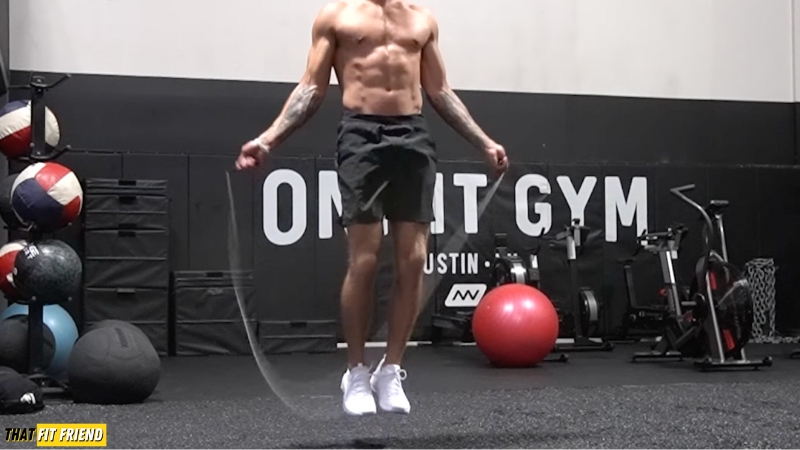
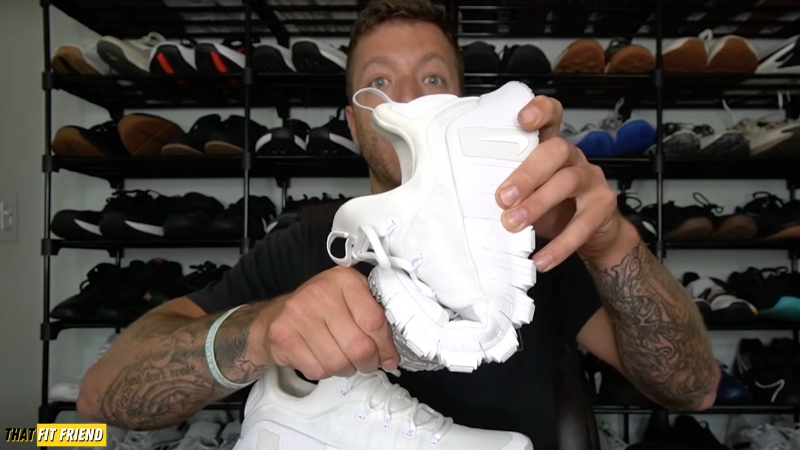
The Free Metcon 6 does a good job from a pure HIIT and class-focused workout context. I like the Free midsole, and this shoe somewhat reminds me of the first-ever Free X Metcon, which has been my favorite model to date. RIP to a legend.
The midsole is responsive and comfortable, making this shoe easy to wear in a wide range of HIIT workouts. For example, if you’re jump roping or doing multi-directional work, this shoe should be pretty forgiving on your body and doesn’t feel too dense.
The upper also does a good job of locking down the feet when doing explosive work. In a lot of class settings, you’ll be doing a blend of strength and explosive and transitioning through different exercises, and this model shouldn’t give you any issues there.

My only gripe with this, and I want to make it known even though I do enjoy the Free Metcon 6, is that its durability can be shoddy when doing sled pushes on turf. I split my shoe’s midsole, pushing 5-6 plates, so if that’s a big ask for you, go with the 5 or something like the Inov8 F Fly.
The Verdict: The Free Metcon 6 can be a good option for anyone needing a shoe for HIIT, classes, and strength training. These provide moderate stability and have a nice bounce to them. Other options to explore if these are a pass for you include the Adidas Rapidmove ADV 2 and UA Halo Trainer.
What I Recommend for Wide Feet | Born Primitive Savage 1
- Price: $130
- Heel-to-Toe Drop: 4mm
- Weight: 12.7 oz (for my size 10 model)
- Removable Insole: Yes
- Sizing: True to size for most.
- For More Info: Read My Review

Why They’re Solid for Wide Feet
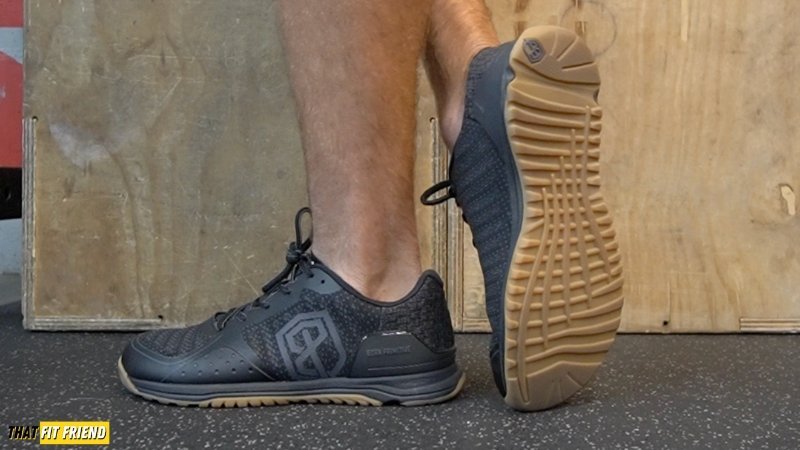
Yep, the BP Savage 1 is making the list again. The Born Primitive Savage 1 is my favorite gym shoe for wide feet. This model’s toe box rivals some barefoot shoe’s widths which makes it an awesome option for feet that go up to EE-widths and sometimes more.
This model’s wider anatomical toe box, blended with its flatter midfoot construction, gives it a nice flat feeling when training. The upper of this shoe also does a good job regarding security when moving forward, backward, and laterally.
This shoe has a dense midsole for heavy lifting and good durability for CrossFit and cross-training workouts. If you like more simplistic training shoes, you’ll resonate with the Savage 1’s construction.

Whether you need a shoe for 500 lb deadlifts and heavy squats or you want a model for cross-training and CrossFit WODs, the Born Primitive Savage 1 should deliver for all of your training needs.
The Verdict: The Savage 1 with its wider toe box and chill midfoot taper does a good job for wide feet. If you swap their insole out, you’ll also gain more space in the midfoot and toe box. Other great options include the Inov8 F-Lite, Flux Adapt Graphene Trainer, and Solstice XT 3.
What I Like for High Arches | Inov-8 F-Lite Max
Author’s Note: The F-Lite Max is the training shoe replacing the 235 V3, 260 V2, and G 300 from Inov8. In my opinion, the Max is a much stronger shoe and really ties all three of these together well.
- Price: $150
- Heel-to-Toe Drop: 6mm
- Weight: 12 oz (for my size 10 model)
- Removable Insole: Yes
- Sizing: True to Size
- For More Info: Read My Review

Why the F-Lite Max Works for Higher Arches
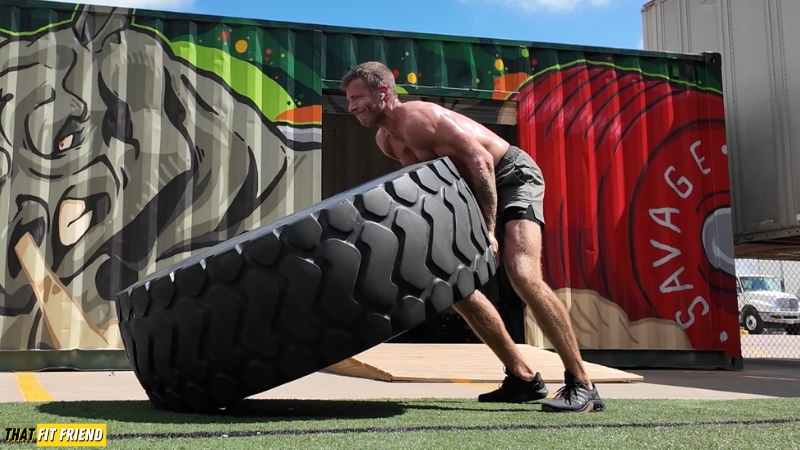
The Inov-8 F-Lite Max is awesome for multiple reasons. In the context of lifters needing a shoe for arch support, this shoe tends to work really well, and it has a wider forefoot, so it gives you good room for toe splay when training. Yes, a wider shoe with some arch support? A unicorn.
In the context of training, the F-Lite Max will be a great option for anyone needing a shoe for CrossFit and lifting. This model’s midsole is stable for heavy sessions and responsive enough for explosive movements that you’ll be performing in your general CrossFit WODs and cross-training sessions.
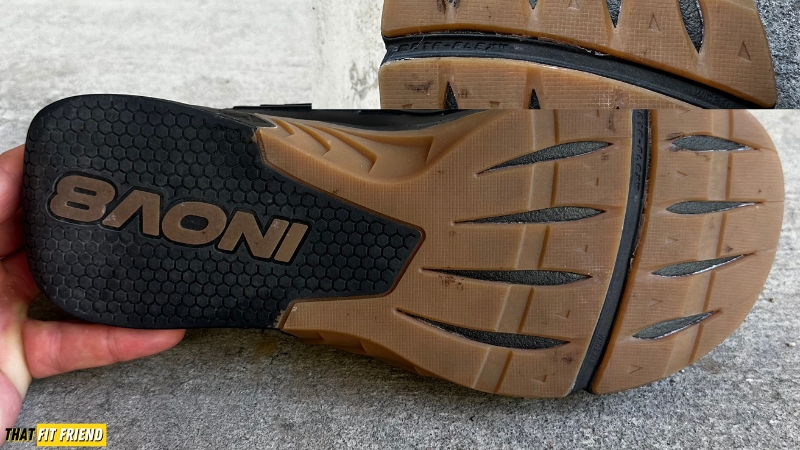
Across all of my sessions, I’ve also enjoyed the durability of this shoe. The rubber/TPU cage around the midfoot resists abrasion well, and it promotes a better “lockdown” feeling when moving explosively.
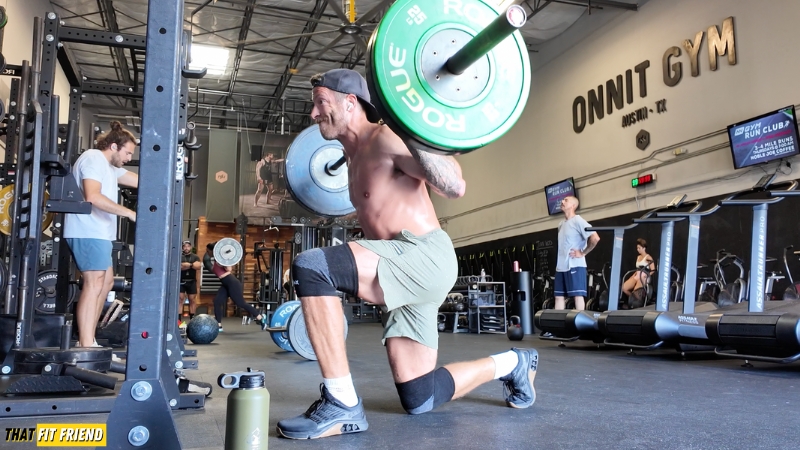
My only gripe with this shoe’s performance is that it does have the TPU insert in the heel area, which can hinder its performance when running over a mile distance. If you need a shoe with arch support that’s a little more hybrid in nature, look into something like the Free Metcon 6.
The Verdict: Don’t sleep on the F-Lite Max for lifting and cross-training. These provide a high degree of stability and have a wider toe box with a good amount of arch support. Other great options include the Dropset 3 and On CloudPulse Pro.
My Favorite Pick for Walking | On Cloud X 4
Author’s Note: The Cloud X 4 is replacing the X 3 in this list. The X 4 has been what I’d call a lateral update. In that, it’s not necessarily worse or better than the 3. It does have a few quality-of-life updates, which I like and why it’s earned this spot.
- Price: $150
- Heel-to-Toe Drop: 8mm
- Weight: 9.05 oz (for my size 10 model)
- Removable Insole: Yes
- Sizing: True to Size
- For More Info: Read My Review
Why They Work for Walking
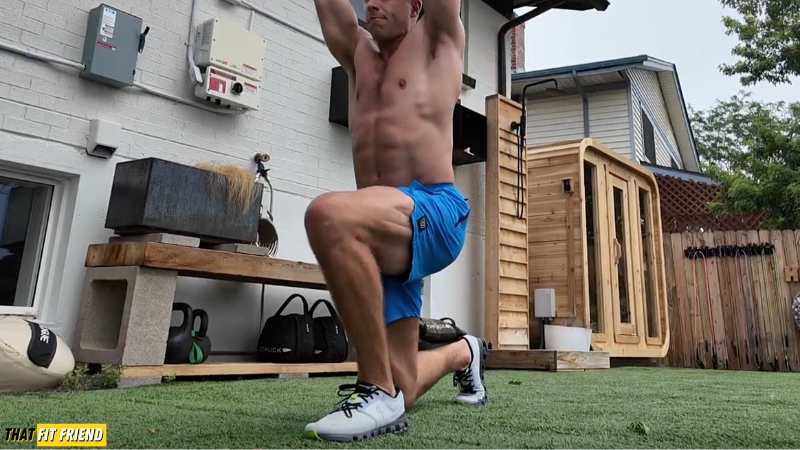
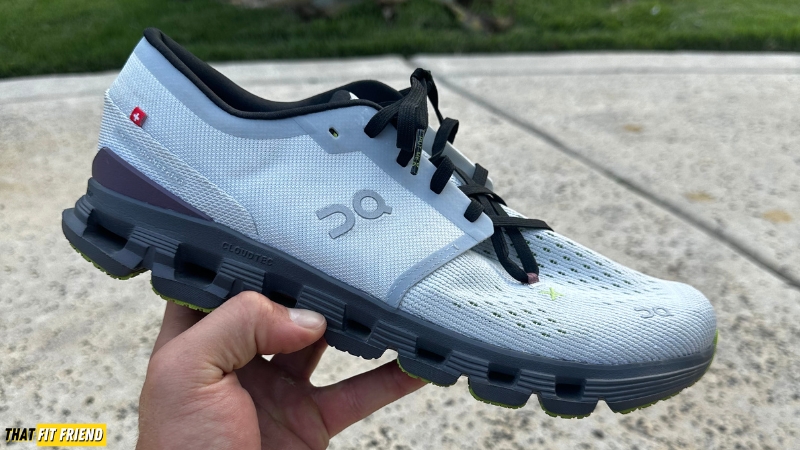
The On Cloud X 4 is earning my top pick for walking. This is one of those training shoes that you can use for travel and things like walking around all day at Disney and having them stay relatively comfortable.
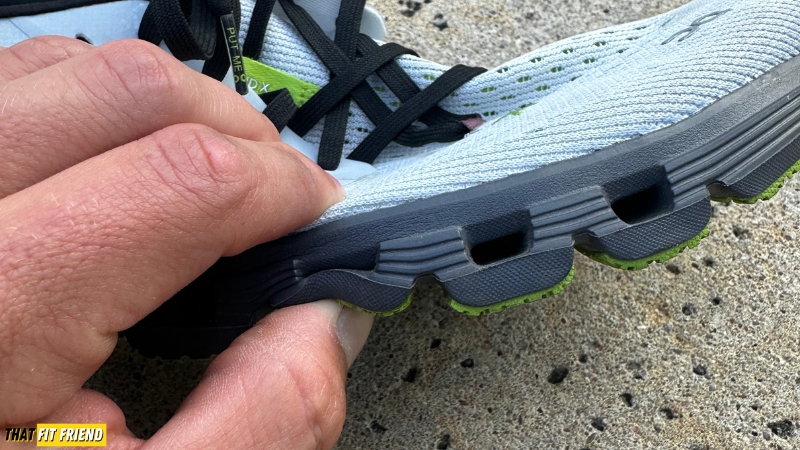
The CloudTec midsole is what gives this shoe its comfort for walking. It tends to move well with the feet and has enough give to give this shoe a comfortable ride while staying dense enough to offer a bit of support, too. They don’t feel overly plush like running shoes, for example.
I also like the upper for this performance ask, and in the gym, it does have enough security to support cross-training and classes while being lightweight and breathable for all-day wear.
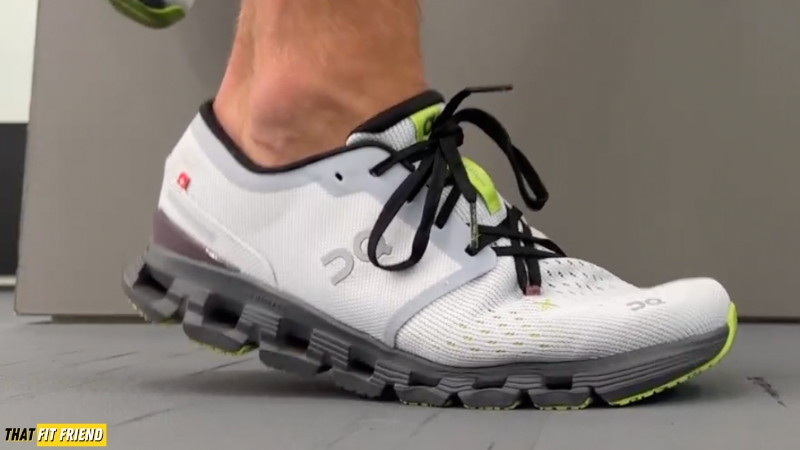
If you’ve worn On shoes before, like the Cloud 5, and enjoy their breathability, this shoe will feel similar, but with a little more structure. I tend to regularly get comments on my Cloud X4 review video saying how the X4 has replaced one’s Cloud ⅚ for walking needs due to this.
The Verdict: The Cloud X 4 can be a great option for walking and general training. These won’t be the best trainers for walking AND lifting heavy. If you’re after a trainer that works great for daily wear and lifting heavy, then you’ll want to explore options like the Haze Trainer and TYR CXT-2.
How to Get Your Sizing Right
As opposed to running shoes that have a fairly formulaic method for sizing, gym shoes can be a little different. Sizing discrepancies in gym shoes can vary for three key reasons.

- Different forms of training will require different types of fit. For example, if you’re doing explosive training, you’ll generally want shoes that hug the feet fairly well to prevent sliding around or feeling unstable.
- Different foot anatomies will require different spaces in the toe box. For example, if you have wide feet, then you’ll typically want a little more room at the end of your toe box for both comfort and performance reasons.
- Different preferences can shift how we want our shoes to fit. Some like their shoes to fit a little looser, while others like snugger shoes.
My Sizing Recommendations
I recommend having anywhere from .2-.6 inches of room at the end of your shoe’s toe box.
If you have wide feet or like more room in your shoe’s toe box, go with a thumb’s width at the end of your longest toe.

Keep In Mind
As a rule of thumb (no pun intended) and on the topic of a shoe being too snug, if you have so much room at the end of your toe box that you’re experiencing heel slip when training, then you’ll want to size down and aim for the lower end of the range mentioned above.
Regarding sizing, there’s no “one-size-fits-all” answer (pun intended). Explore different models and find shoes with the last constructions that align with your feet best and allow you to perform your best.
My Gym Shoe Buying Tips
The ideal shoes for you will be dependent on variables like how you train and your foot anatomy. It’s normal to experiment with different shoes as you find what works best for you. I know, it can be tedious but it’s worth spending the time trying different models.
Remember that every company uses different shoe lasts (molds) to construct their shoes, so if one shoe doesn’t fit your feet perfectly, another shoe likely will — don’t lose hope. I spend most of my days answering questions about this exact topic on my YouTube channel and on written reviews.
Buying Tip 1 — Midsole, Outsole, and Upper Are Key
Multiple construction features can manipulate a shoe’s performance. A shoe’s midsole, outsole, and upper are three of the big features that can influence stability, responsiveness, security, and durability.
I would suggest assessing these three heaviest when looking for your next gym shoes. These will dictate your shoe’s “feel” when training and how long it lasts in terms of durability.
Buying Tip 2 — Your Workout Specificity Matter
Your shoes should always reflect your training and get more specific to reflect how you train. For example, if you do something specific like CrossFit, then you’ll want to find shoes that are optimal for this context.
The same holds true for HIIT, lifting, and so forth. This is why I include categories in my round-ups. Please ask questions about shoes featured in this list as you have them.
How I Test Shoes for Reviews
I’ve been reviewing shoes for over seven years, and in that time, I’ve refined how I test and review shoes probably 100 times. As someone who’s overanalytical and obsessed with nuance and details — this is how I am, and here’s how I test.
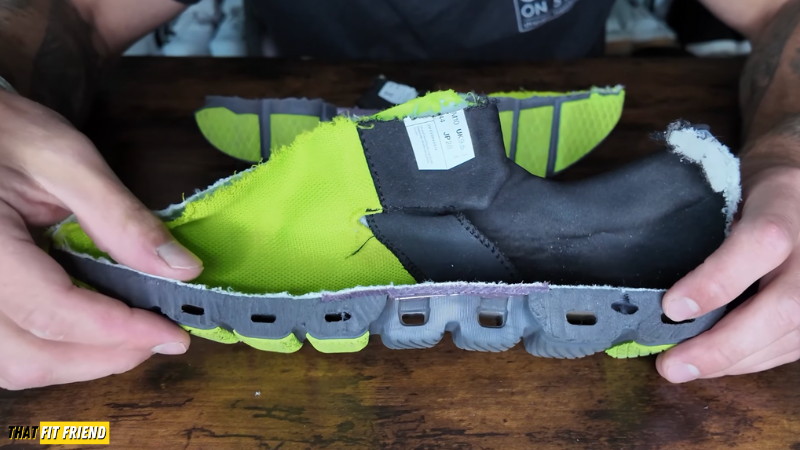
- Stability Tests: This entails assessing a shoe’s midsole and its limits for promoting stability when training heavy. How much can I squat, deadlift, and lift in this shoe while feeling safe and balanced?
- Versatility Tests: This revolves around testing a shoe’s responsiveness, comfort, and breathability. Can I wear this shoe for a HIIT workout, class, and short run and not feel beat up afterward?
- Durability Tests: To assess durability, I’m purposely trying to beat the heck out of a shoe’s upper and midsole. Is this shoe’s price point worth the money? What’s the investment I’m getting out of this shoe?
- Value Tests: Inflation is very real in the world of gym shoes. Value tests take everything above and cross-reference a shoe’s performance compared to its peers. Is it worth the money compared to alternatives A, B, and C?
Right now, in my career, my system above has proven to work via my community, and I’m constantly fine-tuning tiny details to make my reviews more thorough and digestible. It’s a constant project I’m working on as the game changes and evolves.
Final Thoughts
When looking into the best gym shoes, I’d suggest exploring three things: your training goals, needs, and wants. If you can nail down the specific training asks that you have from your shoes, then you can make the best investment for your individual goals.
Whether you plan to lift heavy, do HIIT workouts, or take classes here and there, there’s a gym shoe that accommodates your foot’s anatomy and training needs.
If you have additional questions on any of the shoes featured in this article, drop a comment below or reach out to me personally via Instagram (@jake_boly or @that_fit_friend).
View the original article here.