

Building strong, powerful glutes is essential not only for aesthetics but also for improving posture, preventing lower back pain, and enhancing athletic performance. This comprehensive 40-minute glute workout is designed to target your glute muscles through progressive resistance training, utilizing dumbbells, kettlebells, and resistance bands. Suitable for all fitness levels, this workout emphasizes proper form, muscle engagement, and gradual challenge to maximize glute gains.
Table of Contents
Why Focus on Glute Strength?
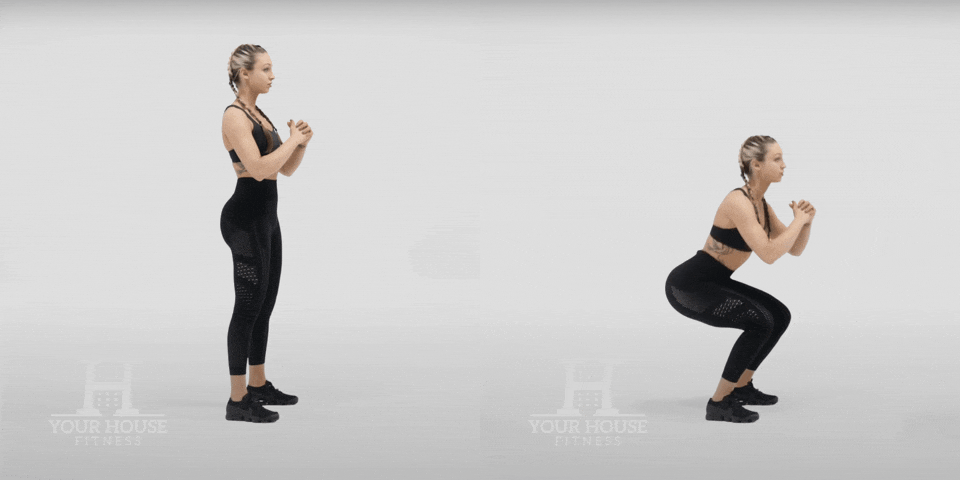
The Importance of Strong Glutes
The glute muscles—comprising the gluteus maximus, medius, and minimus—play a pivotal role in stabilizing the hips, supporting the lower back, and powering movements such as running, jumping, and lifting. Weak glutes can contribute to poor posture, hip tightness, and chronic lower back pain. Strengthening these muscles enhances athletic performance, reduces injury risk, and improves overall functional movement.
Benefits Beyond Muscle Growth
Glute training impacts more than just your physique. It promotes better hip mobility, improves balance and stability, and supports a healthy spine. For men and women alike, working the glutes can alleviate discomfort caused by prolonged sitting and sedentary lifestyles.
Workout Structure and Equipment Needed
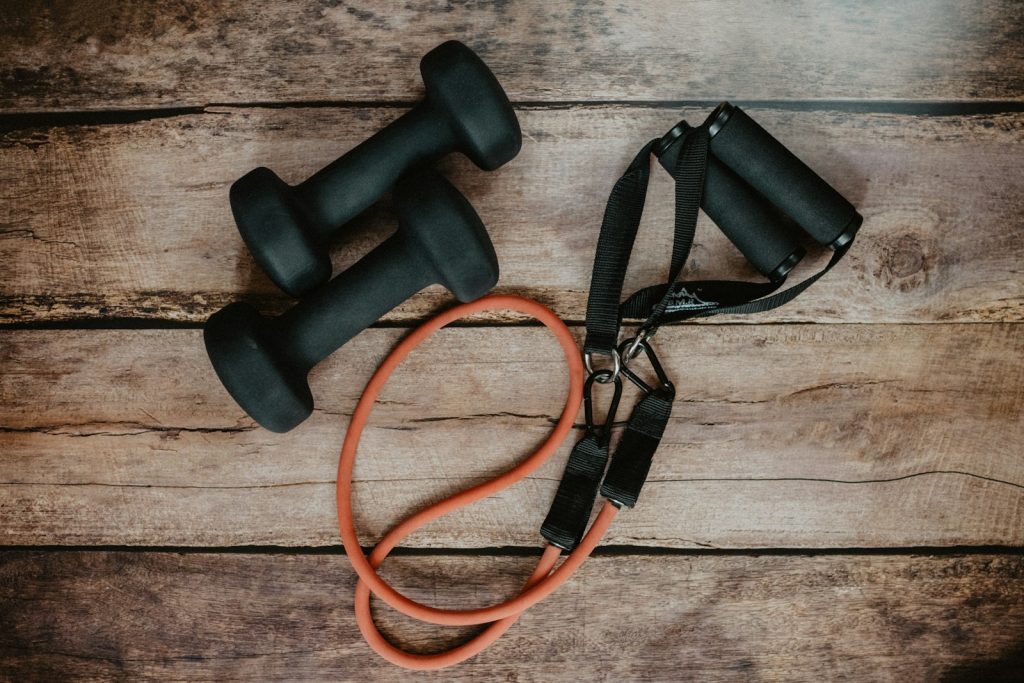
Equipment Required
- Glute resistance band
- Kettlebell or dumbbells
- Optional bench for hip thrusts
Workout Format: Straight Sets & Progressive Challenge
This workout follows a straight set format, where you perform three rounds of each exercise for 45 seconds each. The goal is to progressively increase the challenge in each round by:
- Adding isometric holds (pauses)
- Increasing reps or time under tension
- Using heavier weights or bands
- Incorporating pulses and partial reps
By focusing on progression rather than just heavier weights, this workout remains accessible and effective for all fitness levels.
Warm-Up: Activate Your Hips and Hamstrings
Before diving into the glute exercises, it’s crucial to prepare your hips and hamstrings with dynamic stretches and activation movements. This includes:
- Hip extension stretches
- Hip bridges with focus on proper form
- Gentle hip opening exercises
Warming up helps improve range of motion and primes your muscles for the workout ahead.
Core Glute Exercises
1. Glute Bridges / Hip Thrusts
Description: Lie on your back or position your shoulders on a bench and lift your hips by squeezing your glutes. Use a resistance band around your thighs for added tension.
Progression Tips:
- Round 1: Basic glute bridges focusing on form
- Round 2: Add a 3-second hold at the top for isometric contraction
- Round 3: Include rep-and-a-half movements (partial lowering and lifting) or increase weight
Key Focus: Keep ribs and chest neutral, avoid leading with your belly button, and engage the glutes fully at the top.
2. Hamstring Pullthroughs
Description: Using a kettlebell or dumbbell, hinge at the hips and pull the weight through while keeping tension in your hamstrings and glutes. Incorporate a glute band for additional resistance and abduction at the top.
Progression Tips:
- Maintain control and stretch hips fully
- Add pulses or rep-and-a-half reps for increased time under tension
- Focus on driving the knees outward against the band
Benefits: This exercise targets both hamstrings and glutes while improving hip mobility.
3. Bulgarian Split Squat (B-Stance)
Description: Place one foot on a bench or the ground behind you and perform squats with the working leg in front. Use dumbbells for added resistance or work with bodyweight for control.
Progression Tips:
- Round 1: Bodyweight or light dumbbells
- Round 2: Add pulses at the top of the movement
- Round 3: Include 3-second isometric holds at the top
Key Focus: Keep the working leg doing the majority of the work, maintain balance, and squeeze glutes at the top.
4. Single-Leg Romanian Deadlifts
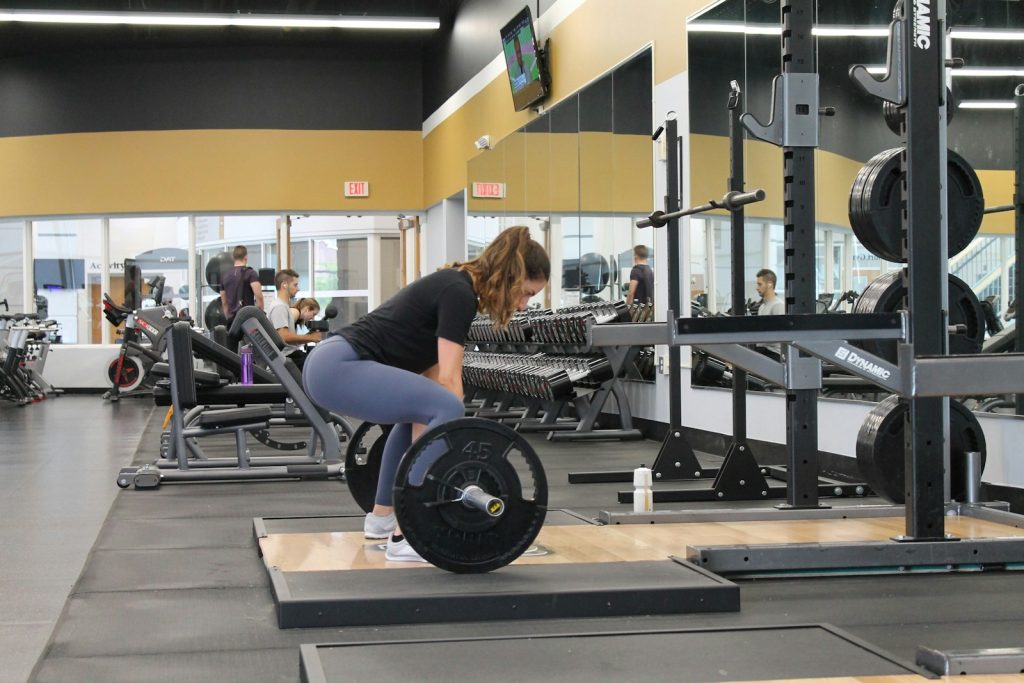
Description: Holding dumbbells, hinge forward on one leg, extending the opposite leg back. Keep the movement controlled and the hip externally rotated for optimal engagement.
Progression Tips:
- Increase range of motion and hold longer in stretch position
- Add pulses at the top of the movement for extra challenge
- Use heavier weights where appropriate
Benefits: Improves hamstring flexibility, glute activation, and balance.
5. Lateral Leg Raises with Resistance Band
Description: With a resistance band around your legs, lift one leg out to the side while maintaining an upright posture. Avoid leaning into the movement to maximize glute medius activation.
Progression Tips:
- Start without pulses, then add an isometric pause at the top
- Focus on slow, controlled movement to prevent momentum taking over
- Add weight on the leg if no band is available
Key Focus: Keep hips stable and avoid collapsing into the standing leg.
6. Fire Hydrants with Dumbbells or Band
Description: In a kneeling position, lift one knee out to the side, keeping the foot flexed. Use a dumbbell clamped behind the knee or a resistance band for resistance.
Progression Tips:
- Add pulses or holds at the top of the movement
- Focus on the stretch and squeeze of the glute muscles
- Maintain proper alignment to avoid compensations
Benefits: Targets the gluteus medius and helps improve hip stability.
7. Kettlebell or Dumbbell Swings
Description: Swing the kettlebell or dumbbell between your legs and up to shoulder height using hip thrust power. Maintain neutral spine and strong core engagement.
Progression Tips:
- Focus on driving through the heels to activate glutes fully
- Maintain control to avoid rounding the spine
- Perform 3-4 swings per set with proper form and rest as needed
Benefits: Builds explosive power and strengthens posterior chain muscles.
8. Resistance Band Side Walks
Description: Place a band around your legs just above the knees or ankles and step side to side with a slight squat position. Optionally, hold a dumbbell or kettlebell in front rack or back squat position.
Progression Tips:
- Increase band resistance or add weight
- Focus on slow, controlled steps without collapsing hips
- Add pulses or longer holds to increase intensity
Key Focus: Maintain upright posture and engage glutes to resist band tension.
Resting Mindset Period
Stretching and Recovery
End the workout with stretches focusing on hips and glutes, such as figure four stretches and hip extensions. Cooling down helps reduce muscle soreness and improves flexibility.
The Power of Consistency and Discipline
Progress in glute strength comes from showing up consistently, not from fleeting motivation. Building habits and discipline ensures lasting results. Even on days when motivation wanes, presence and commitment to movement foster momentum that carries over into other areas of health, including nutrition and mental well-being.
Creating Momentum Not Waiting for Motivation
Motivation often follows action, not the other way around. Start your workout even if you don’t feel “ready” and trust that energy will build as you move. Progress is a byproduct of consistent effort and presence.
Final Thoughts
This 40-minute glute workout combines strength, mobility, and endurance training to optimize muscle growth and functional strength. Whether you are a beginner or advanced trainee, progressive challenge within each exercise keeps your muscles adapting and prevents plateaus. Remember, strong glutes support your entire body, improve posture, and protect against injuries.
Commit to this routine consistently, focus on form, and enjoy the journey to stronger, healthier glutes. Don’t forget to check out resistance band giveaways and join supportive communities for accountability and motivation. Your glute gains await!
FAQ
Q: How often should I do this glute workout?
A: Aim for 2-3 times per week with rest or active recovery days in between to allow for muscle repair.
Q: Can I do this workout without weights?
A: Yes, bodyweight versions and resistance bands can be very effective, especially if you focus on time under tension and form.
Q: What if I feel pain in my lower back during these exercises?
A: Ensure you maintain a neutral spine and engage your core. If pain persists, modify the exercise or consult a professional.
Q: How do I know if I’m progressing?
A: Track your ability to increase reps, resistance, or time under tension over weeks. Also, notice improvements in muscle tone and strength.
Q: Can men benefit from glute-specific workouts?
A: Absolutely. Strong glutes reduce lower back pain, improve athletic performance, and enhance overall body strength for everyone.
By integrating this glute workout into your routine, you’ll build not only muscle but also resilience and confidence in your body’s capabilities. Get ready to feel stronger, more mobile, and empowered with every session.