
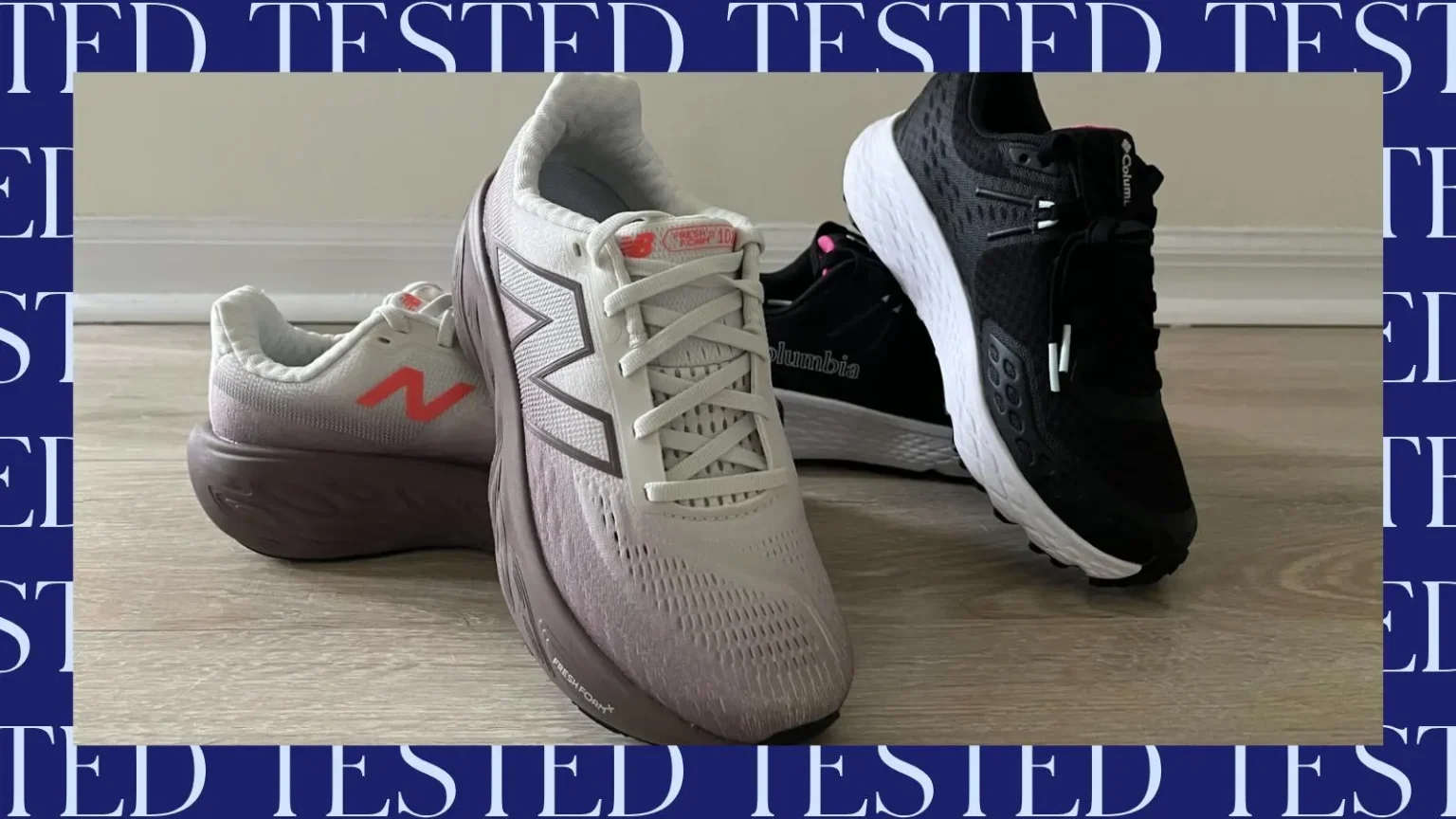
A good pair of walking shoes should be more capable than your everyday trainers. To find the best walking shoes for women, we consulted a board-certified podiatrist, an orthopedic surgeon and a certified trainer, and tested nine contenders for a month across various terrains. After careful consideration, we named the Brooks Ghost 17 our top pick overall—it’s supportive, slightly firm and breathable. In total, we’ve rounded up six options that meet various needs, making it easy to find a style that looks and feels great.
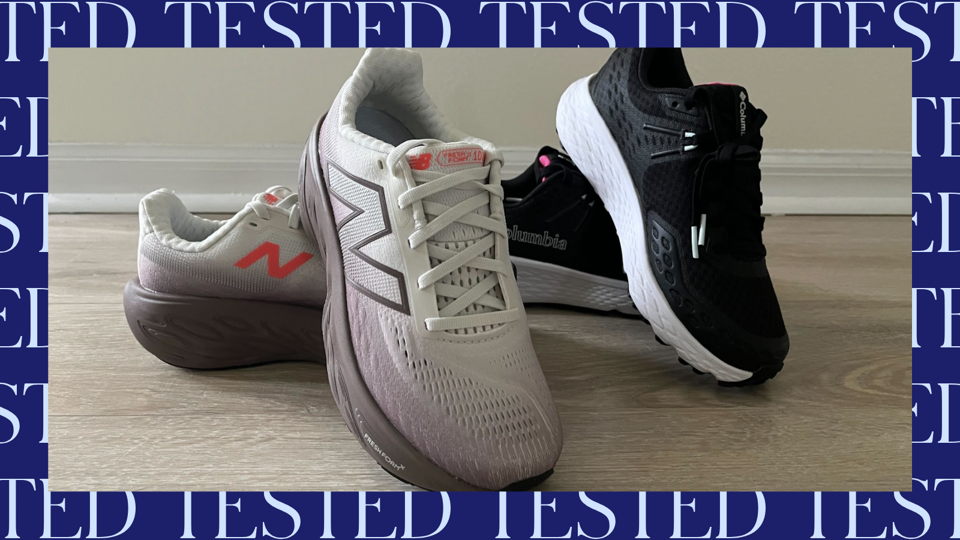
We tested nine sneakers to find the best walking shoes for women in 2026.
ILLUSTRATION: FORBES / PHOTO: Alex Garrett for Forbes
Want to save this story for later?
No need to bookmark—get it straight to your inbox.
We’ve sent this story to your inbox.
The Brooks Ghost 17 earns high marks—and a spot atop this list—for its combination of support, breathability and dynamic comfort. From the mesh upper to the grippy outsole and the truly vast selection of colors and widths, Brooks made sure to check every box when updating this classic trainer.
The Ghost 17’s main appeal can be traced back to its midsole, which contains the brand’s signature nitrogen-infused DNA Loft v3 foam. Although it’s slightly firmer than the cushy, pillowy foams we’ve grown accustomed to in recent years, it helps this shoe feel structured and supportive, which our tester appreciated on longer walks. Technically speaking, there’s more foam in this Ghost than there was in its predecessor, but the additional support doesn’t feel any heavier. At 9 ounces per shoe, it’s still light, reactive and ready for movement.
The Brooks Ghost 17 sneakers are our top choice for most women.
Cam Vigliotta For Forbes
Up top, Brooks redesigned the upper to make it more structured, though it feels similar to the outgoing Ghost 16. And that’s not a bad thing, either—the breathable mesh prevents hot feet, while added cushioning in the heel and forefoot make for a more comfortable fit, which comes in handy if you stand for hours at a time. It’s worth noting the toe box is somewhat narrow, so you might need to choose a wider width if you have flat feet, or look elsewhere for a more anatomically shaped shoe. Otherwise, our tester found that the upper fits well over the top and sides of the foot, and didn’t notice any pinching or hotspots while walking.
All in all, the midsole, upper and grippy outsole make the Ghost 17 a truly great walking shoe. Though it’s more firm than a few other options in this guide, we ultimately found the denser support to be more stable and comfortable over longer distances, and it’s especially useful if you run as well. If you’d like to learn more about its benefits and drawbacks, our full review of the Ghost 17 breaks down this shoe in greater detail.
The 2025 Forbes Vetted Best Product Awards are here: Explore our 150 top-recommended items across categories after extensive research and testing.
The Cloud 6 is On’s bread-and-butter athletic shoe, and because a pair weighs less than a pound, it’s a great lightweight style for those who wish to avoid heavy foams and added features. It also happens to be our pick for the best walking shoe for men overall, so you might consider it if the Ghost 17 doesn’t meet your needs.
The Cloud 6’s charm starts with its Zero-Gravity CloudTec cushioning—the outsole’s ridge-like shape that sets On shoes apart from other brands. Upon unboxing this sneaker, our tester was concerned it might be too thick, but as soon as she slipped it on, all doubts disappeared. Though it’s a tall shoe, the support feels akin to walking on a soft gym mat, and the arch shape hugs the midfoot for even more support. Sandwiched within the shoe is On’s Speedboard layer, which stores energy as your foot makes contact with the ground and helps propel you forward. Our tester noted a slight bounce that helped her spring into each step.
The Cloud 6’s cushioning feels stable and supportive, and it’s easy to slip on and off in seconds.
Alex Garrett For Forbes
As comfortable and propulsive as the CloudTec cushioning and Speedboard layer are, they’re aren’t new for this shoe, but the upper is. On upgraded the design with a sockliner, so it’s easier to slip on and off—no need to bend over and fuss with laces—and the opening is wider for a more inclusive fit. Though our tester found the midfoot a bit narrow, it didn’t cause any discomfort.
Ultimately, the Cloud 6 is easy to wear for walks because it combines lightweight support, breathability and slip-on styling. The narrow midfoot won’t deliver enough support for those with flat or wide feet, but if you typically wear medium-width shoes or slender styles from European brands, you shouldn’t have a problem finding comfort in its simplicity.
The Clifton 10 continues to shine in our footwear guides because of its sheer versatility. Whether you’re traveling, training for a marathon, walking or working on your feet for hours, there’s very little this shoe can’t do. In fact, our tester loved it so much that she couldn’t find a reason to knock it. While it may not be the best shoe for every scenario, it’s great for most, including walking.
The Clifton’s appealing performance has a lot to do with its midsole: Unlike so many maximal shoes that feel heavy and sluggish, the Clifton’s compression-molded EVA foam is light, bouncy and responsive. It’s a thick layer of foam, with a stack height of 38mm in the heel and 30mm in the forefoot, but each shoe weighs just 8.8 ounces, or a little more than half a pound. Our tester assumed the shoe was so light that it would lack structure, but testing revealed that it’s actually very supportive. From casual walks to hill climbs to sessions on the StairMaster, it always kept pace.
The Clifton 10’s combination of support and cushioning left our tester with few complaints.
Katie Simpson For Forbes
Beyond the midsole, Hoka made small adjustment to the upper as well in this newest iteration, adjusting the forefoot and adding material to the heel that’s softer and more forgiving. Our tester found that it fit well, but it wasn’t quite as snug as the Brooks Glycerin Max, a potential drawback if you have narrow feet. Elsewhere, the upper’s new jacquard knit construction is just as breathable as it was before—Hoka claims it’s new, but it looks, feels and functions much like the Clifton 9. And although the heel is more plush, it’s still structured to keep your foot in place and prevent unwanted movement as you walk.
The Clifton 10 checks a lot of boxes. Though we tested it for a month as a walking shoe, it’s also one of our favorite running shoes for daily training, and it makes for a superb travel shoe given its lightweight comfort. For a cushioned walking shoe that adjusts to different environments and forms of activity, it’s a great choice. Our comprehensive Clifton 10 review dives deeper into its performance.
The Sorel Kinetic Impact II looks different, but it’s a surprisingly versatile shoe with dynamic support for everyday wear and demanding activities alike. Combining a comfortable fit with support and traction, its most prominent feature is the “scalloped” edge, which Sorel designed to improve grip on slippery surfaces while easing pressure on your feet.
When it comes to performance, the shoe’s soft midsole and flexible upper make it easy to wear all day. Our tester, who’s based in Florida, found the mesh fabric comfortable and capable of keeping her feet cool and dry. And while the construction is a bit heavier than the other recommendations in our guide, the added weight actually makes the shoe feel more stable and grounded.
Ultimately, the biggest catch here is the Kinetic Impact II’s styling—it’s polarizing. From the wave-like edge to the lacing system that runs down the sides, this shoe’s aesthetic stands out from the others we tested, and not everyone wants that uniqueness in a walking sneaker. But if you do, or if you’re on the fence, we found that its supportive performance more than makes up for any indecision about its distinct looks.
The New Balance Fresh Foam X 1080v14 makes good use of a contoured foam midsole that helps propel your foot forward with each step, which makes even simple movements (like walking) feel smoother and more efficient. Also contained within the midsole: solid support thanks to extra padding and a 6mm heel drop that eases pressure and keeps your foot in a more natural position. When paired with a new triple jacquard mesh upper that our tester found incredibly breathable, you’re left with a shoe that’s lightweight, airy and responsive, making it great for long walks and everyday wear.
The Fresh Foam X 1080v14’s plush cushioning makes it one of the taller shoes we tested.
Alex Garrett For Forbes
Like a few other shoes in this guide, the Fresh Foam X 1080v14 is a running shoe, so it shouldn’t have trouble transitioning to quicker paces. It’s also technically a neutral shoe, which means New Balance didn’t add support for those who overpronate. Still, we found several reviews from buyers with fallen arches or flat feet who found the support adequate as is, and the plush cushioning goes a long way toward maintaining comfort.
Brooks loves its nitrogen-infused foams—so much so that it packed the Glycerin Max with two different types to make walking as comfortable as possible. While many of its shoes use DNA Loft cushioning, the Glycerin Max uses DNA Tuned, the brand’s next-gen cushioning with plush foam in the heel and responsive foam in the forefoot. In theory, this makes the shoe better at absorbing heel impacts and propelling you forward. In practice, our tester concluded it’s the most supportive shoe she’s ever worn.
Like the Clifton 10 and Brooks Ghost Max 3, the Glycerin Max fully embraces its maximal form. With a heel height in excess of 40mm, it’s the tallest shoe in this guide, and one of the tallest in the Brooks lineup. And yet, our tester found it stable in spite of its height, noting how it comfortably cushioned each step. Pair that design with a long stroll or hours on your feet, and your body will thank you.
The Glycerin Max combines plush cushioning with stability for a truly versatile ride.
Katie Simpson For Forbes
While it isn’t as breathable as the Clifton 10, the upper maintains airflow, preventing overheating even as outdoor temps climbed into the 80s. The mesh fabric also cradles the foot without suffocating it, allowing you to walk, travel and even run in comfort. Because this is a running shoe, you shouldn’t have any trouble picking up the pace.
The Glycerin Max’s biggest flaw: its appearance, which doesn’t impact its performance but might not be your chunky cup of tea. It’s also $200—the most expensive shoe in this guide.
Other Walking Shoes We Tested That Are Worth Considering
In our search for the best walking shoes for women, our criteria included factors like overall fit, cushioning and support. While the three shoes below didn’t outperform our winners in these areas, they still have qualities that make them worthy of your consideration.
- Best For Long Walks: Brooks Ghost Max 3: The Ghost Max 3 might as well be the Clifton 10’s cousin. Sporting a thick, cushy midsole and a breathable upper, it’s a great shoe for added cushioning for long walks or standing all day. Ultimately, we found the Clifton 10’s midsole more supportive and responsive, but this remains an excellent shoe for max-cushioned support.
Our tester says the Brooks Ghost Max 3 is breathable and cushioned.
Karen Tietjen For Forbes
- Best For Trail Walking: Columbia Konos TRS OutDry: The Konos TRS OutDry is a weatherproof take on your classic walking shoe, with a tougher outsole that’s grippy, stable and waterproof. While it didn’t earn a top spot in our guide, we think it’s a great option if you prefer to walk on trails or happen to live in a wet-weather environment.
These shoes from Columbia kept our tester’s feet dry on rainy days.
ALEXANDRA GARRETT FOR FORBES
- Most Stylish: Seavees Royal Runner: The Royal Runner is a fashion-forward walking shoe that’s as easy on the environment as it is on your feet. Made with recycled nylon, polyester, rubber, cotton and a bio-based memory foam, it’s a vintage-inspired design with a small footprint. We like its combination of support, breathability and good looks, but the blend of substance and style wasn’t quite enough to earn a spot among our top recommendations.
Walking Shoes For Women We’re Testing Next
We routinely test new walking shoes to make sure we continue to recommend the best options available. Ahead, see the sneakers we’re currently testing and the two we expect to test soon.
- Brooks Glycerin Max 2: The original version of this sneaker earned our pick for the most comfortable walking shoe for women. While we’re still putting the updated version through its paces, Brooks says the Max 2 has an improved mesh upper to help you feel more secure.
- Hoka Gaviota 6: Many of our team’s favorite sneakers come from Hoka, and the Gaviota 6 is said to be one of the brand’s most stable options. We’re still in the process of testing these shoes; however, they seem like a solid option for walkers who overpronate.
- On Cloud 7: On Cloud sneakers are featured in many of our guides, and we anticipate the release (and testing) of a new version of the shoe this spring.
- Hoka Clifton 11: We also foresee an updated version of the popular Hoka Clifton line this spring. When the time comes, we plan to test those as well.
How We Tested The Best Walking Shoes For Women
We sought out to find the best walking shoes that can handle different surfaces and situations, as well as withstand miles of use. They should also easily transition from walks to everyday life, which is why we considered aesthetics as well as functionality. With these details in mind, we established a testing criteria to determine which pairs to serve you best.
Process
- Initial research: We selected our top contenders based on years of previous testing, prioritizing bestsellers and the latest releases from our existing favorites.
- Expert interviews: We consulted three experts for this guide, including board-certified podiatrist and foot surgeon Nelya Lobkova, orthopedic surgeon Anne Holland Johnson and personal trainer Annabelle Lemes. We made sure all the shoes on our final list align with their insights.
- Hands-on testing: Five Forbes Vetted team members spent a month testing nine contenders, which we evaluated to select our list of nine winners. To gather the most comprehensive data possible, we chose testers with a wide range of walking routine and footwear needs.
Panelists
Criteria
- Comfort: We tested how the shoes felt and whether they caused soreness, pressure points or unwanted rubbing that can lead to pain or blisters. We also considered if the shoes needed an extensive break-in period or were comfortable right out of the box.
- Arch support and cushioning: We looked at the thickness of the cushioning material under the midsole of each shoe and applied varying degrees of pressure to gauge how well the foam handled different forces. We also looked for padding or contoured arcs around the midfoot, which provide extra support for those who need it.
- Traction and stability: We wore the shoes on a variety of surfaces, from roads to trails to rolling fields, to test whether or not they provided decent traction in all scenarios. We also jumped and quickly changed direction while wearing each shoe to see if we lost our balance.
- Width and weight: We considered how much each shoe weighs in ounces and cross-referenced this figure against how heavy or light the shoe physically felt on our foot while walking.
- Heel drop: This is the difference in millimeters of the amount of cushioning beneath the heels versus the balls of the feet. A larger heel drop indicates a higher heel in relation to the toe, while a low- or zero-drop shoe is flat and most closely mimics walking barefoot. According to Lobkova, the best walking sneakers fall in the sweet spot of 4 to 8mm, which places less stress on the Achilles tendon.
- Style: Although aesthetics should never trump fit and comfort, we took looks and wearability into consideration when compiling this guide. That way, you can wear these shoes all day, in different scenarios.
We tested walking shoes for cushioning, support, breathability, fit and much more.
Katie Simpson For Forbes
How To Pick A Walking Shoe For Women
The best walking shoe for you depends on your activity level, comfort preferences, support needs and the size and shape of your foot. To help you choose a style from our list of winners, here’s what experts recommend you keep in mind:
Cushioning
The amount of cushioning you choose is ultimately a matter of personal preference. Most walkers prefer a shoe that’s evenly cushioned, rather than one with an exaggerated heel, for all-day wear. An evenly cushioned sole also lessens the risk of tripping or catching your heel on the edge of a carpet.
Sole
The outsole (commonly just referred to as the sole) is the part of the shoe that touches the ground and dictates the shoe’s stability, says Lobkova. “You shouldn’t be able to bend the sneaker in half easily—or twist it easily—when holding both ends,” she says. Instead, “there needs to be adequate rigidity in the sole and cushioning in the midfoot to prevent impact on the heel and walking injuries like plantar fasciitis.”
Anne Holland Johnson, M.D., a foot and ankle surgeon at Hospital for Special Surgery in New York City, prefers a rocker-style sole. Hoka first embraced this type of sole, and now other brands are following suit. However, rocker soles tend to be less stable, so look for a traditional flat sole if you need greater stability.
The Brooks Ghost Max 3 delivers a roomy, spacious fit for different foot shapes.
Karen Tietjen For Forbes
Size And Fit
Every brand’s sizes are a little different. Use your most comfortable shoes as a starting point, but be prepared to size up or down to find your ideal fit. Your feet expand when walking, so it’s best to try on your shoes in the late afternoon, as your feet may have swelled a bit during the day. Then, evaluate each section of the shoe in the following ways to find your ideal fit:
- Toe box: Stretch and wiggle your toes in the shoes; they should extend out comfortably in the toe box, or the uppermost part of the shoe, but not have too much room in front. Try the classic shoe-fitter test: Aim for one-half to a full thumb’s width of space between your toes and the front end of the toe box.
- Heel: Look for a snug fit around the heel counter—the part that wraps around the back of the shoe. “This minimizes abnormal stretching of the plantar fascia and diminishes pain and inflammation in the heel and arch of the foot,” says Lobkova. It also prevents your foot from sliding up and down as you strike the ground, which can cause blisters.
- Arch support: You can gauge the arch support of a shoe by analyzing the insole. “Most sneakers have removable insoles that you can take out and examine,” says Lobkova. “Arch support appears as a supportive bump or curve on the insole around the midfoot. It acts as a buttress for the arch of the foot.” If your shoes fit in the toe box and heel but lack arch support, Lobkova suggests swapping in a new insole or orthotics. For specific recommendations, see our stories on the best insoles for flat feet and insoles for plantar fasciitis.
Foot Conditions
Particular foot conditions may dictate the type of walking shoe you pick. Here’s what to keep in mind:
- Plantar fasciitis: If you have plantar fasciitis, look for walking shoes with excellent arch support, cushioned insoles and shock-absorbing midsoles. Models that offer heel cups or extra cushioning in the heel area can also help relieve pain and discomfort. Brands like New Balance and Hoka have some of our favorite shoes for plantar fasciitis.
- Bunions: Those with bunions on their feet should prioritize walking shoes with a wide and roomy toe box and soft, breathable materials that won’t add unnecessary pressure. When browsing shoes for bunions, look for sneakers that come in a wide fit, such as those from New Balance and Under Armour.
Why Trust Forbes Vetted
Meet The Experts
- Nelya Lobkova, DPM, a board-certified podiatrist and foot surgeon who runs the private practice Step Up Footcare in New York City
- Anne Holland Johnson, M.D., an orthopedic surgeon at the Hospital for Special Surgery in New York City who specializes in sports-related injuries and is a team physician for the New York Liberty (WNBA) professional basketball team
- Annabelle Lemes, a certified trainer in Connecticut who emphasizes strength training, flexibility and movement through a variety of sports, including aerobic walking
View original article here.