

Table of Contents
Why Cutting Ultra Processed Foods Matters
Ultra processed foods have become a staple in modern diets, often disguised in products that seem healthy but are actually stripped of essential nutrients. These foods, made from refined ingredients and additives, contribute to energy crashes, cravings, and long-term health risks such as type 2 diabetes, heart disease, and mental health issues. The good news is that making simple, strategic swaps at every meal can profoundly improve how you feel daily.
This blog post will guide you through 10 easy swaps—from breakfast to dinner and snacks to drinks—that help unprocess your diet, increase energy, reduce cravings, and promote overall well-being.
Understanding Ultra Processed Foods
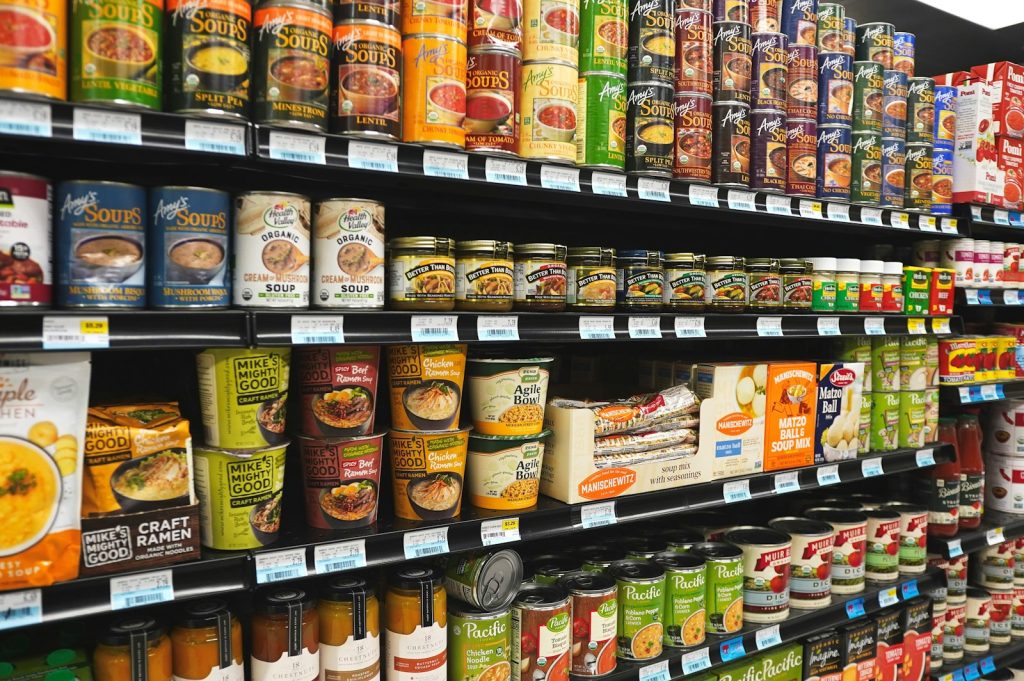
What Are Ultra Processed Foods?
Ultra processed foods are manufactured using cheap parts of whole foods that are broken down into powders, refined oils, and isolates. These are then chemically treated and mixed with flavorings, sweeteners, and preservatives, resulting in products that taste good, last long, and are inexpensive to produce.
The Hidden Dangers
While convenient, these foods often lack fiber, protein, and essential nutrients. Their rapid digestion causes blood sugar spikes and quick hunger returns, leading to increased cravings and energy dips. Over time, habitual consumption can increase risks for gut problems, metabolic diseases, and even mood disorders.
Breakfast Swaps to Kickstart Your Day
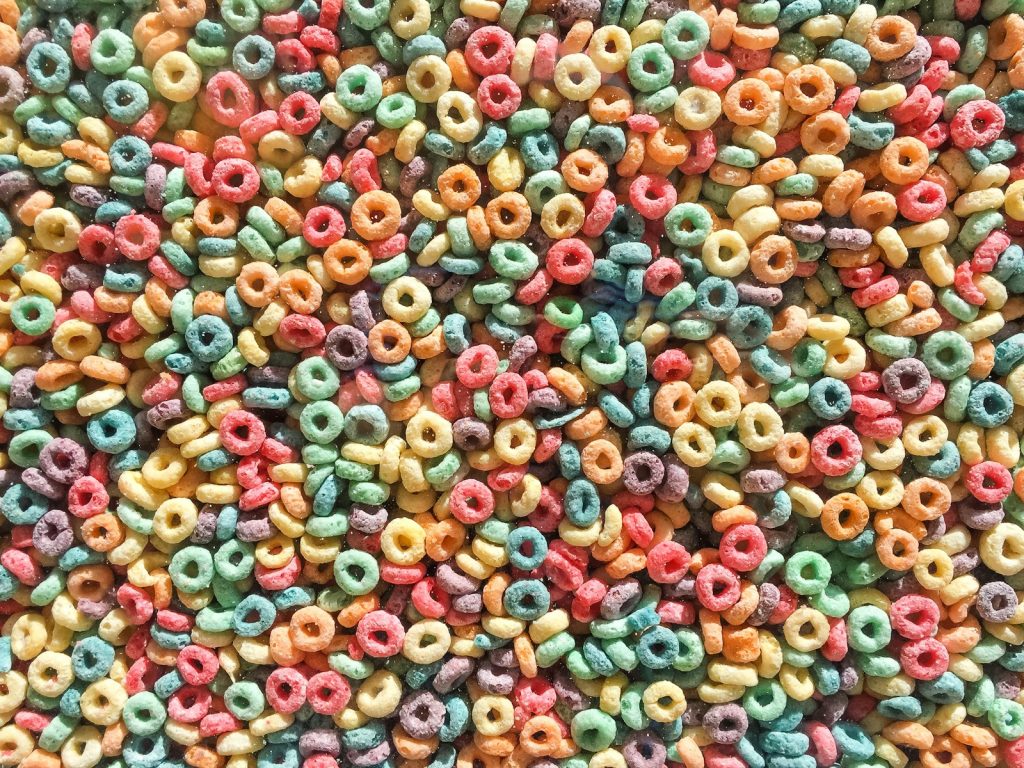
Why Breakfast Is Critical
Skipping ultraprocessed breakfast foods like cereals and granola bars can transform your mornings. These foods digest quickly, leaving you hungry and unfocused, often leading to excessive caffeine intake for energy.
Swap #1: From Cereal to Overnight Oats or Yogurt Bowls
Prepare overnight oats or a yogurt bowl loaded with whole fruits, nuts, seeds, cacao, and nut butter. These combinations provide protein and fiber, keeping you satiated longer and stabilizing blood sugar.
Swap #2: From Pastries to Whole Grain Bread with Nut Butter and Berries
Instead of processed pastries, choose quality whole grain breads topped with nut butter and berries for extra fiber and nutrients.
Swap #3: Savory Option – Egg Muffins or Homemade Spreads
Egg muffins, hummus, or pea-based spreads are easy to prepare ahead and provide a protein-rich, satisfying savory alternative.
Swap #4: Homemade Smoothies with Whole Ingredients
Skip store-bought smoothies and fruit juices. Pre-portion whole fruits, oats, and seeds in freezer bags to blend fresh, fiber-rich smoothies at home without added sugar.
Smart Snacking: Sustained Energy Between Meals
The Problem with Ultra Processed Foods
Many snack bars, biscuits, and crisps are ultraprocessed, offering rapid energy that fades quickly, causing hunger and fatigue.
Swap #5: Choose Whole Fruits and Pair with Nut Butter or Yogurt
Fruits like pears and apples provide fiber and nutrients. Pairing them with nut butter or yogurt enhances satiety and nutrition.
Swap #6: Savory Snacks Like Boiled Eggs, Roasted Chickpeas, and Veg Sticks
For a crunchy, satisfying snack, opt for roasted chickpeas, veg sticks with hummus, or protein-rich boiled eggs.
Swap #7: Homemade Snack Bars and Fritters
Batch-make oat bars with nuts, seeds, spices, and fruit, or savory fritters that can be frozen and reheated. These provide wholesome energy without additives.
Lunch Swaps for Nutrition and Convenience
The Pitfalls of Typical Lunches
Pre-made wraps and sandwiches often contain multiple ultraprocessed ingredients such as refined grains, processed meats, and preservatives.
Swap #8: Homemade Bento Boxes with Whole Foods
Prepare bento boxes filled with leftovers, roasted vegetables, beans, lentils, boiled eggs, or tuna. These meals are quick, nutritious, and easy to pack.
Swap #9: Better Sandwich Choices
Choose quality whole grain bread like rye or sourdough and avoid processed meats. Use protein sources like tin sardines, hot smoked salmon, eggs, or tofu, complemented by fiber-rich fillings like hummus, avocado, or roasted vegetables.
Swap #10: DIY Salty Noodle Pots
Make your own noodle soups with vegetables, quality protein, and flavorful sauces like miso or soy. Just add hot water at work for a nourishing lunch alternative.
Rethinking Drinks: Avoid Liquid Calories
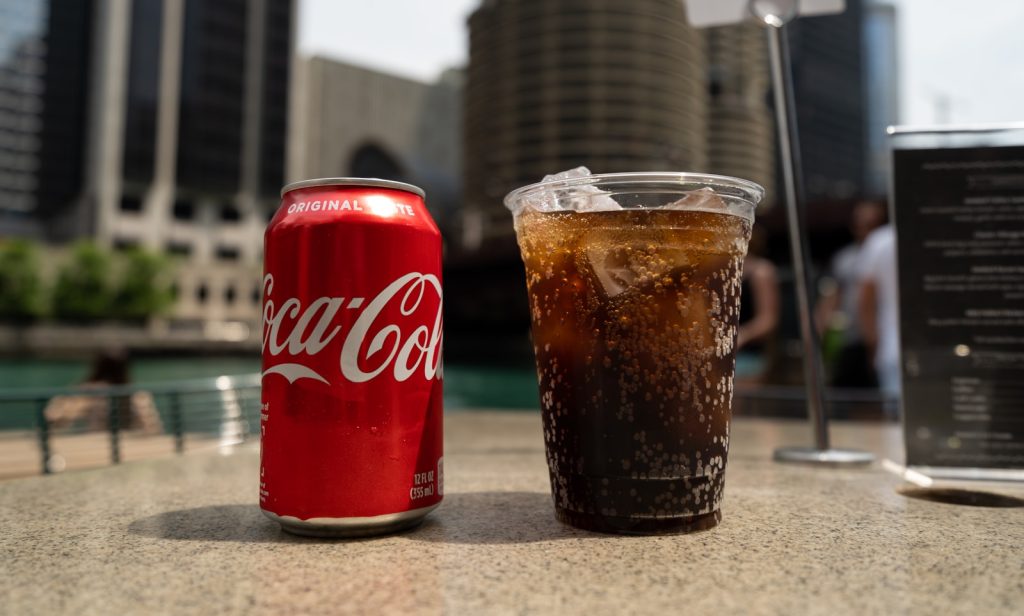
The Hidden Sugars in Drinks
Like ultra processed foods, many flavored lattes, pre-made coffees, bottled smoothies, and kombuchas contain added sugars and fruit juice concentrates that contribute to excess calorie intake and blood sugar spikes.
Healthy Drink Alternatives
- Make coffee or tea at home, sweeten gradually with spices like cinnamon, cardamom, or vanilla.
- Choose whole fruit over bottled juices, or blend homemade smoothies with whole fruits, seeds, oats, and nut butter.
- For gut health, opt for fermented whole foods like kefir, sauerkraut, or plain yogurt instead of commercial gut health drinks.
- Water remains the best choice; for flavor, brew herbal teas such as hibiscus, matcha, or mint for added antioxidants.
Dinner: The Simple Formula for Healthy Meals
The Challenge of Dinner
Busy schedules make it tempting to rely on ready meals, frozen snacks, and pre-made sauces, which are often ultraprocessed and loaded with additives.
A Repeatable Dinner Formula
- Core Protein: fish, chicken, tofu, tempeh, beans, or lentils
- Colorful Vegetables: fresh or frozen (frozen vegetables are nutrient-rich and convenient)
- Whole Grains: brown rice, quinoa, or pre-cooked grains that are minimally processed
- Quick Dressing or Sauce: garlic yogurt, tahini, honey-lemon-olive oil dressing, or satay sauce
Combine these ingredients by stir-frying, roasting, or simmering for a nourishing meal in minutes.
Favorite Go-To Dinners
- Chickpea curry (ready in 20 minutes)
- Salmon tray bake with tahini dressing
- Catalan style cod
Repeating two to three favorite recipes simplifies meal prep and reinforces healthy habits.
Managing Dessert and Evening Cravings
Everyday Sweet Moments
It’s important to enjoy celebrations and treats, but everyday dessert habits can lead to unnecessary sugar intake.
Creating a Post-Dinner Ritual
Establish a wind-down routine such as brushing teeth after dinner, reading, or herbal tea to signal the end of eating.
Healthier Sweet Alternatives
Opt for satisfying options like:
- High-quality dark chocolate (80%+ cocoa)
- Nut butter or dates
- Homemade protein and fiber-rich chocolate mousse
Small Swaps, Big Impact
Ultraprocessed foods are everywhere, but by making mindful swaps at each meal, you can reclaim your energy, reduce cravings, and protect long-term health without sacrificing convenience or flavor. Start with breakfast, plan your snacks, rethink lunch, choose better drinks, and simplify dinner with a repeatable formula. Over time, these small changes add up to a sustainable, nourishing lifestyle that supports your body and mind every day.
FAQ: Common Questions About Cutting Ultra Processed Foods
Q1: Is it hard to avoid ultra processed foods completely?
No, it’s about making better choices and swaps rather than perfection. Focus on minimizing them and increasing whole foods.
Q2: Can I still enjoy treats occasionally?
Absolutely. Enjoy treats mindfully during celebrations, but try to limit everyday indulgence.
Q3: How do I start if I’m short on time?
Prep meals and snacks ahead, use frozen vegetables, and keep staple ingredients for quick assembly.
Q4: What if I don’t like tofu or beans?
Experiment with different proteins like fish, chicken, eggs, or tempeh. Find what works best for you.
Embrace these easy swaps and watch your energy, focus, and health improve naturally. Your body will thank you!